Updated 2026 · 11 min · by NebulaTrip local experts
Three days in Beijing is enough for a strong first visit, but not for every monument on the usual checklist. The workable shape is one reserved central-axis day, one Great Wall day and one choice-driven city day. Trying to bolt the Summer Palace onto Mutianyu, then adding the Temple of Heaven, hutongs and several shows, turns the trip into transfers and closing-time anxiety. This plan protects the experiences that are difficult to replace, leaves one afternoon adjustable and treats reservations as part of the itinerary rather than an administrative afterthought.
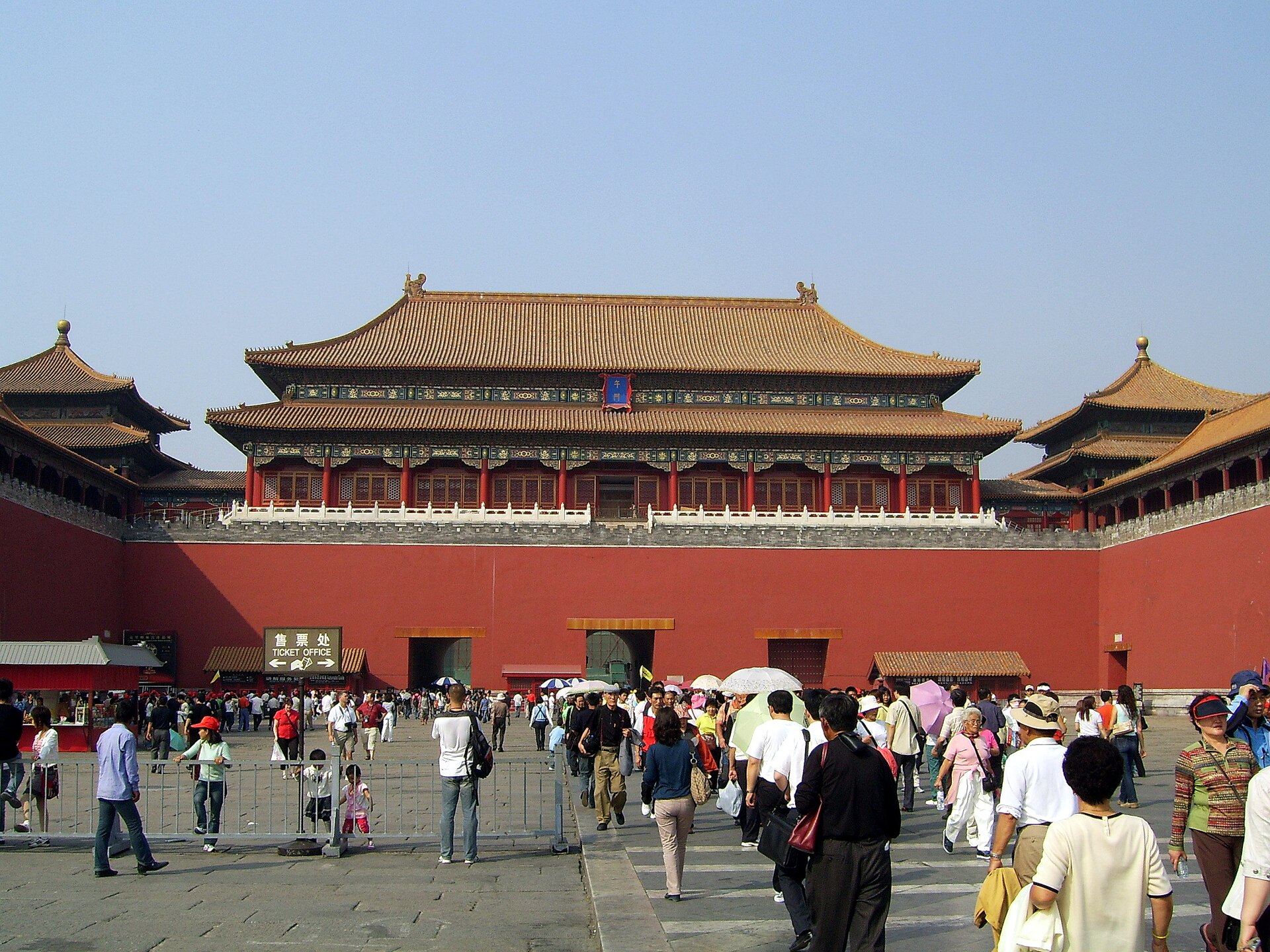
Reserve the Forbidden City first, then fit Tiananmen Square around the confirmed morning or afternoon admission. They are adjacent but have separate reservation systems. A square reservation does not replace a palace ticket, while some separately reserved venues may provide access to the square during the relevant session; check the current Tiananmen instructions against the exact venue on your booking.
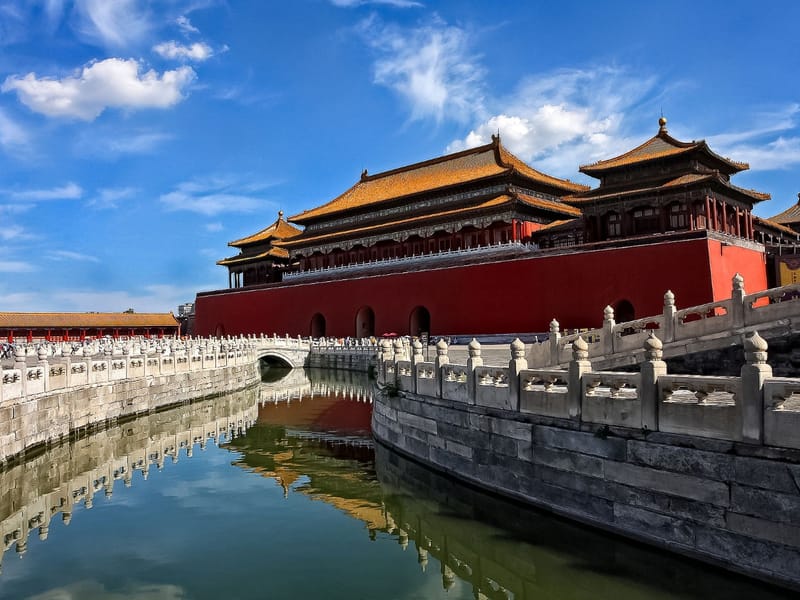
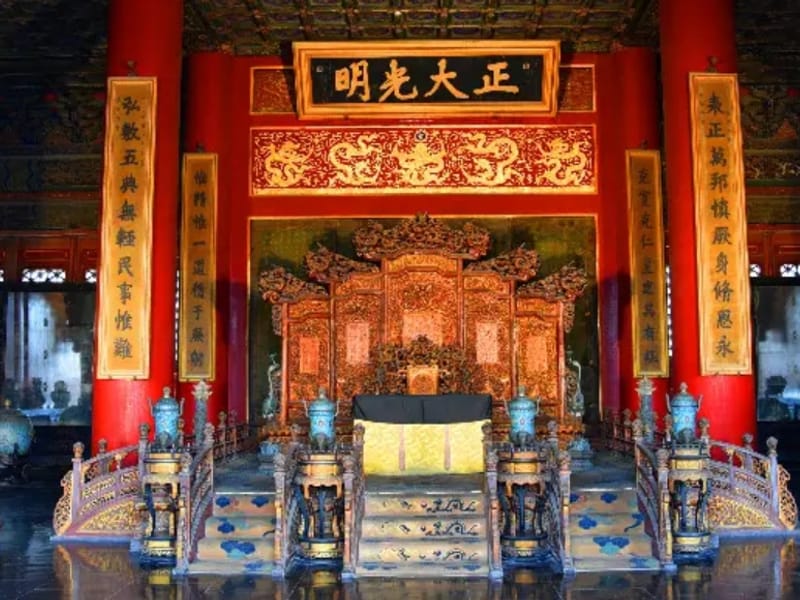
The palace route is one-way. Enter through the Meridian Gate on the south, move north through the main halls, then choose a few side courtyards instead of racing through every gallery. The Forbidden City currently requires advance real-name booking, does not sell same-day tickets and asks foreign visitors to bring the original passport used for the reservation. It is normally closed on Mondays except certain public holidays. These rules make an unbooked “walk up and see” plan a poor gamble.
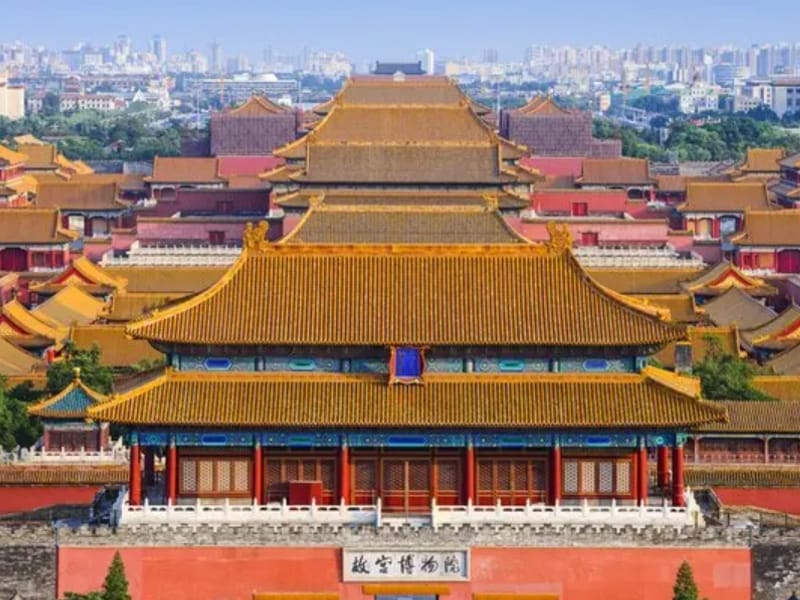
Exit at the north or east side. If visibility and legs cooperate, Jingshan Park is the logical final stop for the roofline view; it is not a guaranteed sunset photograph. Do not add the Temple of Heaven simply because the map makes north and south look close. After security checks and several hours on stone, a proper meal and an unhurried evening are usually the better use of the day.
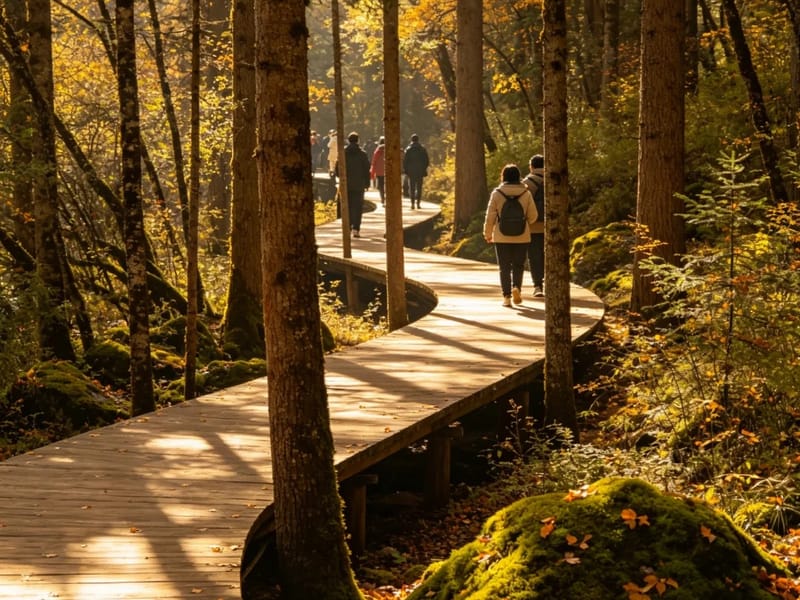
For a first visit, Mutianyu is a sensible balance of restored wall, mountain scenery and assisted access. The important choice is not whether to “cover” every tower; it is how much climbing your group wants after reaching the wall. Cable-car and chairlift arrangements, walking direction and the toboggan descent create different routes, so decide at the ticket area rather than following a social-media loop blindly. The toboggan can pause for weather or operations and should be treated as optional, not promised.
Carry the original passport used for the real-name reservation and recheck the official opening notice the day before. Seasonal hours and special night operations change, and a night event does not prove normal daytime facilities run later. A private vehicle is the easiest option for a group; public or tourist buses can be economical but require more attention to the current stop and last return.
Do not plan the Summer Palace as a compulsory “on the way back” stop. It is on a different side of metropolitan Beijing, and traffic plus an enjoyable wall walk can erase the supposed spare time. If the group returns early, use the evening lightly.
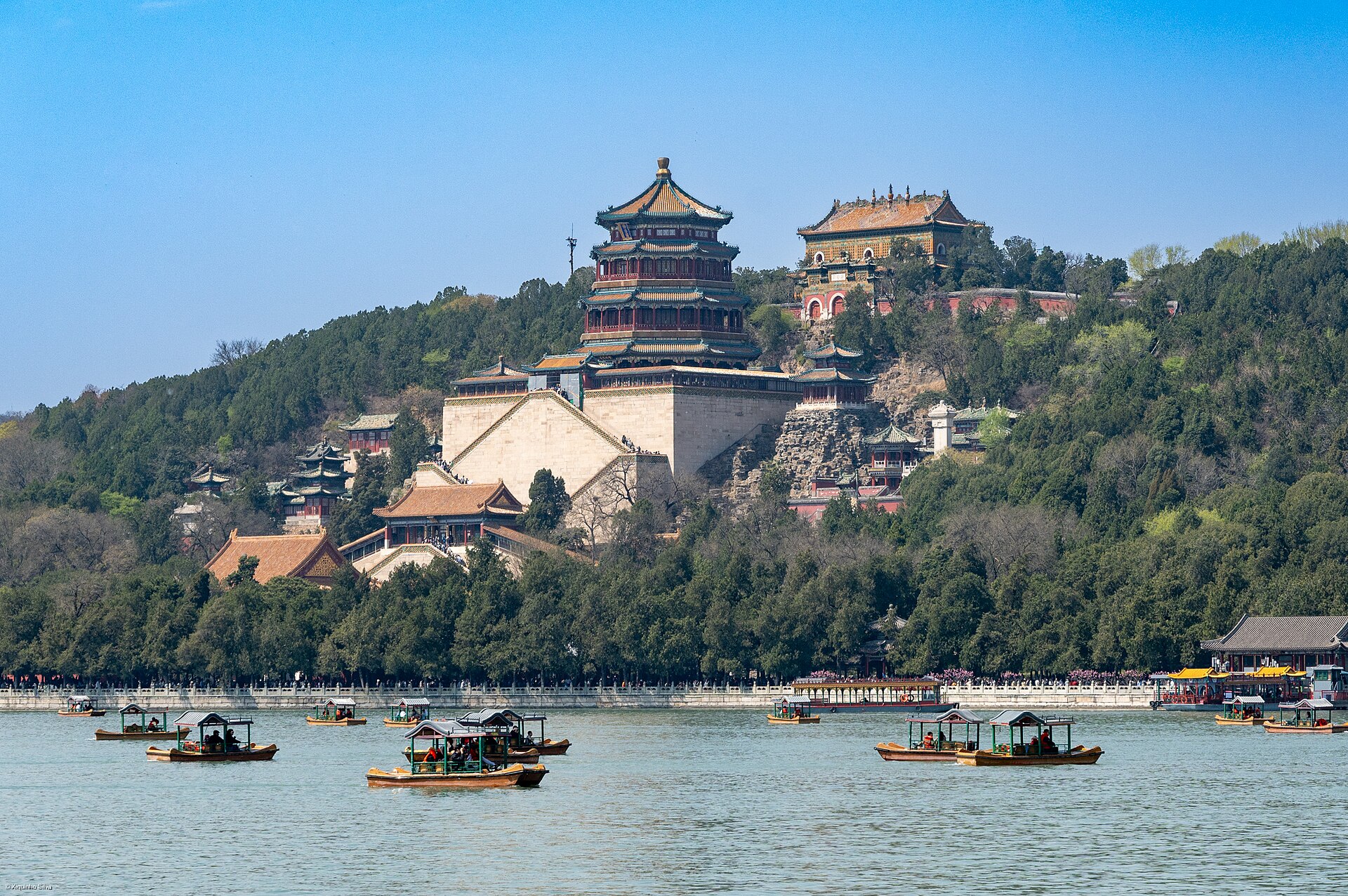
This is the decision day. If the Summer Palace is a priority, go there early and let the lake, Longevity Hill and the painted Long Corridor occupy the morning and part of the afternoon. The grounds are large; a gate-to-gate march is not the same as seeing them well. Pair it only with a simple evening around a subway-connected neighbourhood.
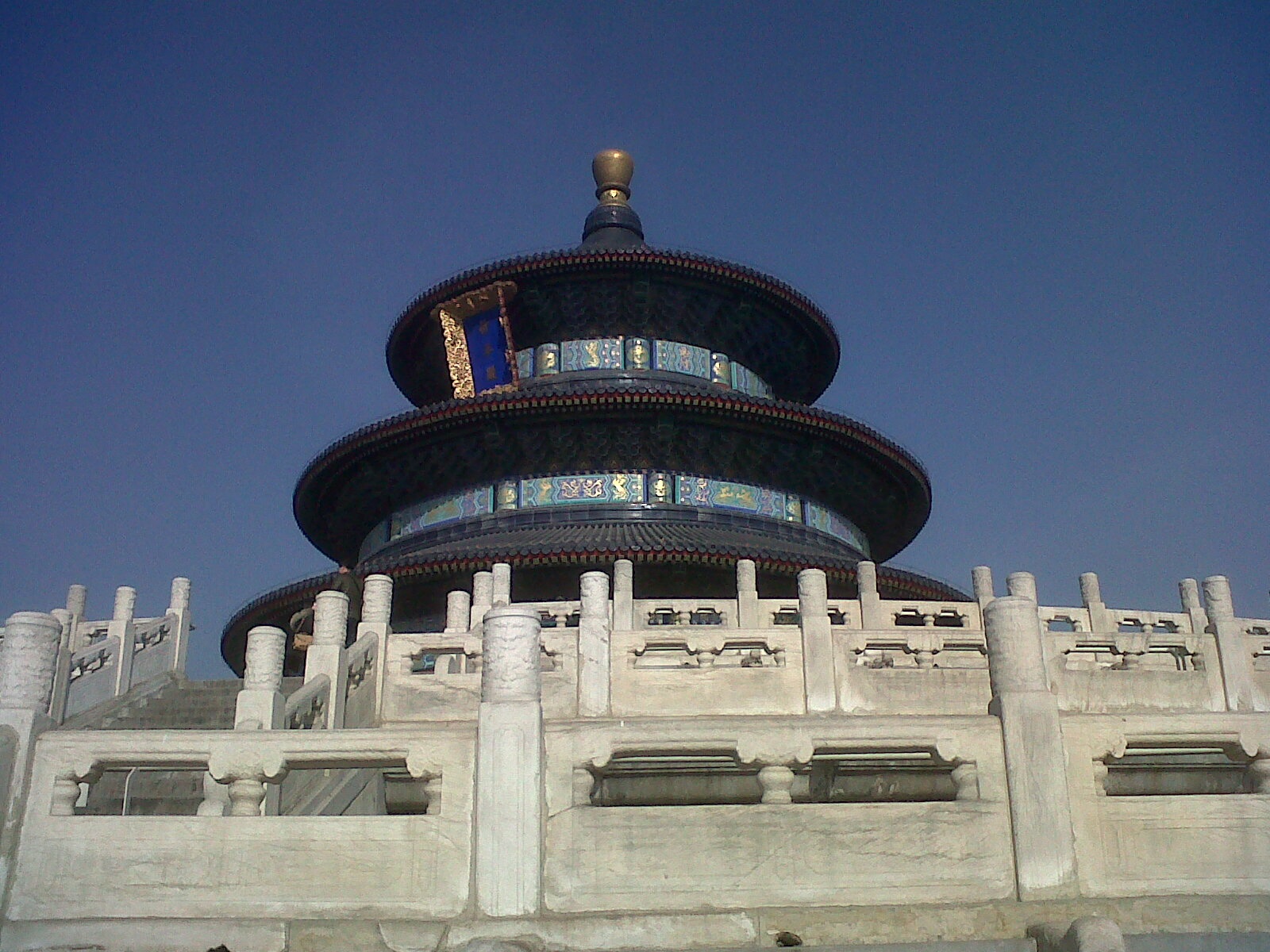
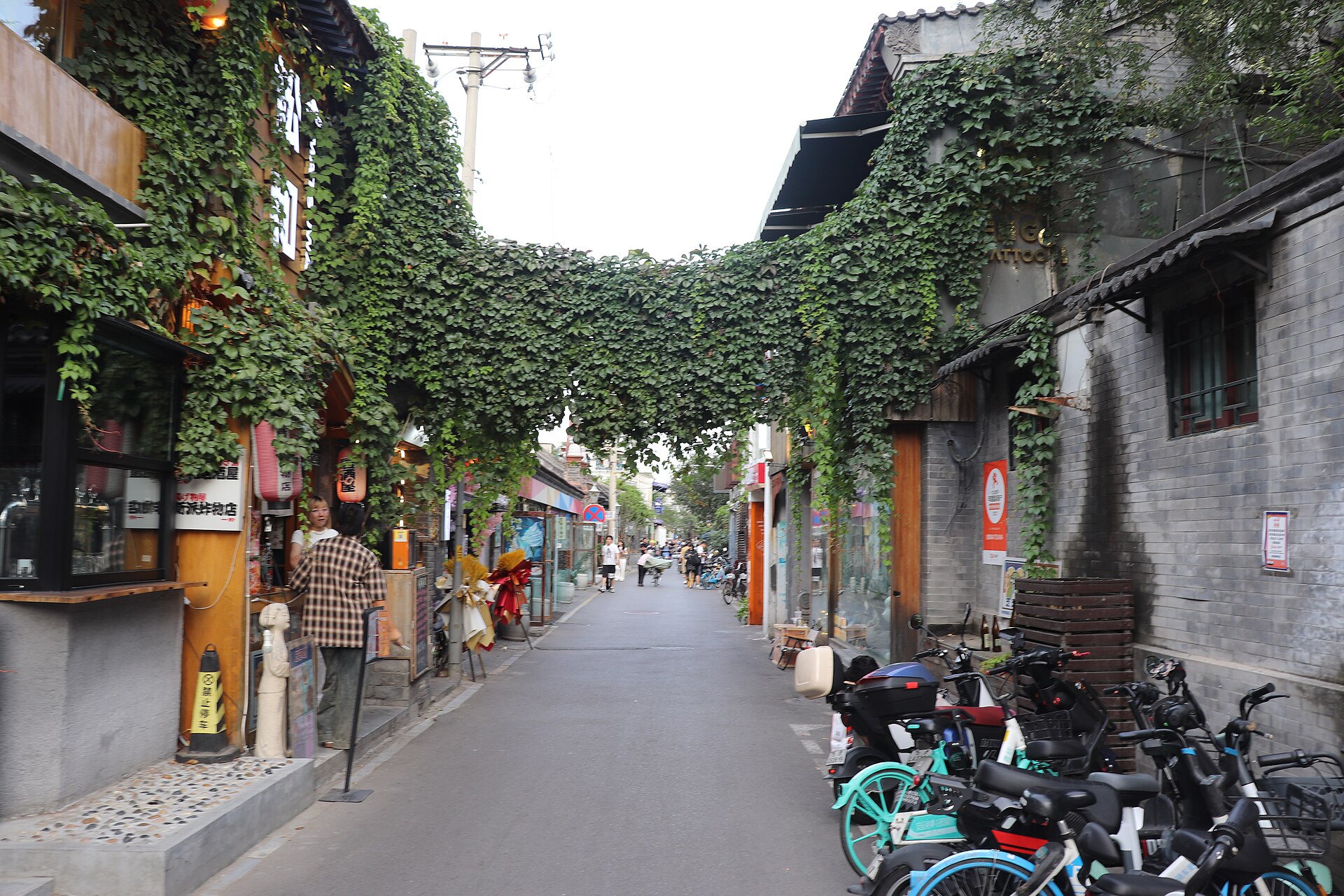
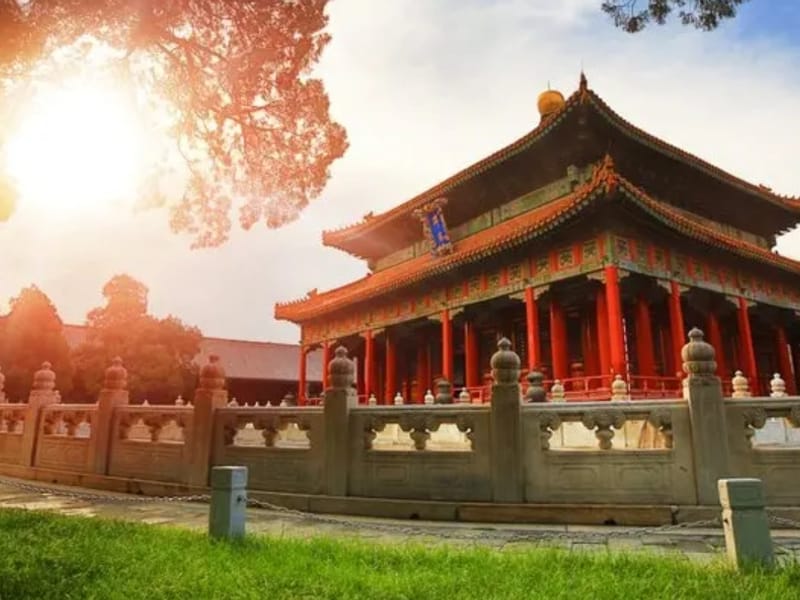
If you would rather understand the lived city, start at the Temple of Heaven and allow time for both the ceremonial buildings and the surrounding park. Then move north for one coherent old-Beijing area: the Lama Temple and Guozijian, or the Drum and Bell Tower hutongs. Hutongs are residential streets, not an open-air set. Keep voices down, do not point cameras into courtyard doors, and be sceptical of a pedicab route whose price and stops are not agreed before departure.
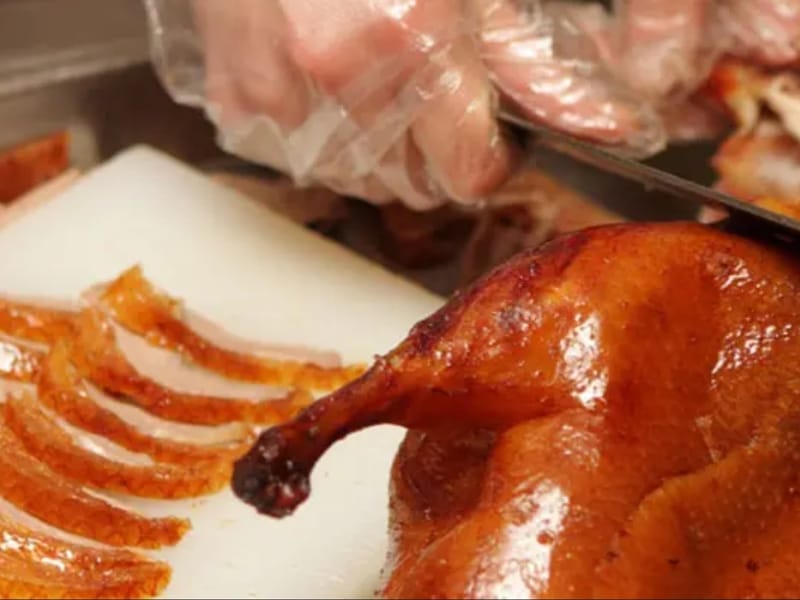
You cannot do both versions properly in the same day. Families who need shorter walks may prefer the temple-and-hutong version; garden and architecture enthusiasts may value the Summer Palace more. A duck dinner is a pleasant ending, but reserve only if a particular restaurant matters.
As checked on 29 July 2026, the Palace Museum releases individual tickets seven days ahead at 20:00 Beijing time, uses morning and afternoon sessions, and requires the original registered document. Policies can change, so use its official booking page rather than a screenshot from an old blog. Tiananmen Square reservations are generally available one to seven days ahead through official channels. Foreign visitors can reserve with passport details; the official Beijing hotline notes that the WeChat route or help from another person may be necessary when the web interface does not support a foreign phone number.
Book the palace and square first, then Mutianyu. Only after those anchors are confirmed should you assign Day 3. Save screenshots or offline copies of each confirmation, but do not assume a screenshot replaces the original passport. Check the precise entrance named on every booking: Beijing's monumental blocks are large, and arriving at the wrong side can cost more time than the subway ride.
Public holidays and temporary notices can alter admissions. A guide or hotel can help with the interface, but the visitor name and document number still need to match.
Base near a useful subway interchange inside the central city rather than chasing the closest straight-line distance to one gate. Dongcheng works well for the central axis and old-city day; a hotel farther out can still be practical if it sits beside a direct line. The subway is usually the predictable choice for city sights. Taxis and ride-hailing solve awkward final kilometres but do not escape peak traffic, and passengers should keep the destination name in Chinese.
Set up a mobile-payment option if possible, while retaining a physical bank card and some cash as fallbacks. Payment acceptance varies, so neither “China is cashless” nor “foreign cards work everywhere” is a safe planning rule. Carry the original passport on reserved-sight days, wear shoes suited to long stone surfaces and pack water, sun or rain protection appropriate to the forecast.
When weather, fatigue or a delayed entry compresses the schedule, drop the add-on—not the booked anchor. Jingshan, a show, a market and even the Summer Palace can move to another trip. That willingness to subtract is what makes three days feel like Beijing rather than a timed obstacle course.
Book the Beijing: Top 6 Highlights All Inclusive 2-Day Private Tour with real-time availability.
See tour & book Plan with AIPrivate & flexible · English-speaking guide · real-time online booking.

Tell our local experts what you'd like to see and we'll design a private, tailor-made itinerary with English-speaking guides — free plan & quote, no obligation.