Updated 2026 · 8 min · by NebulaTrip local experts
There is no single perfect month for Beijing. October has the most reliable sightseeing weather, but its first week brings the year's heaviest domestic travel rush. May is warm and green, but the Labour Day holiday changes the equation. Winter is much quieter, yet a Great Wall day can be punishingly cold. The right choice depends on which compromise you would rather make.
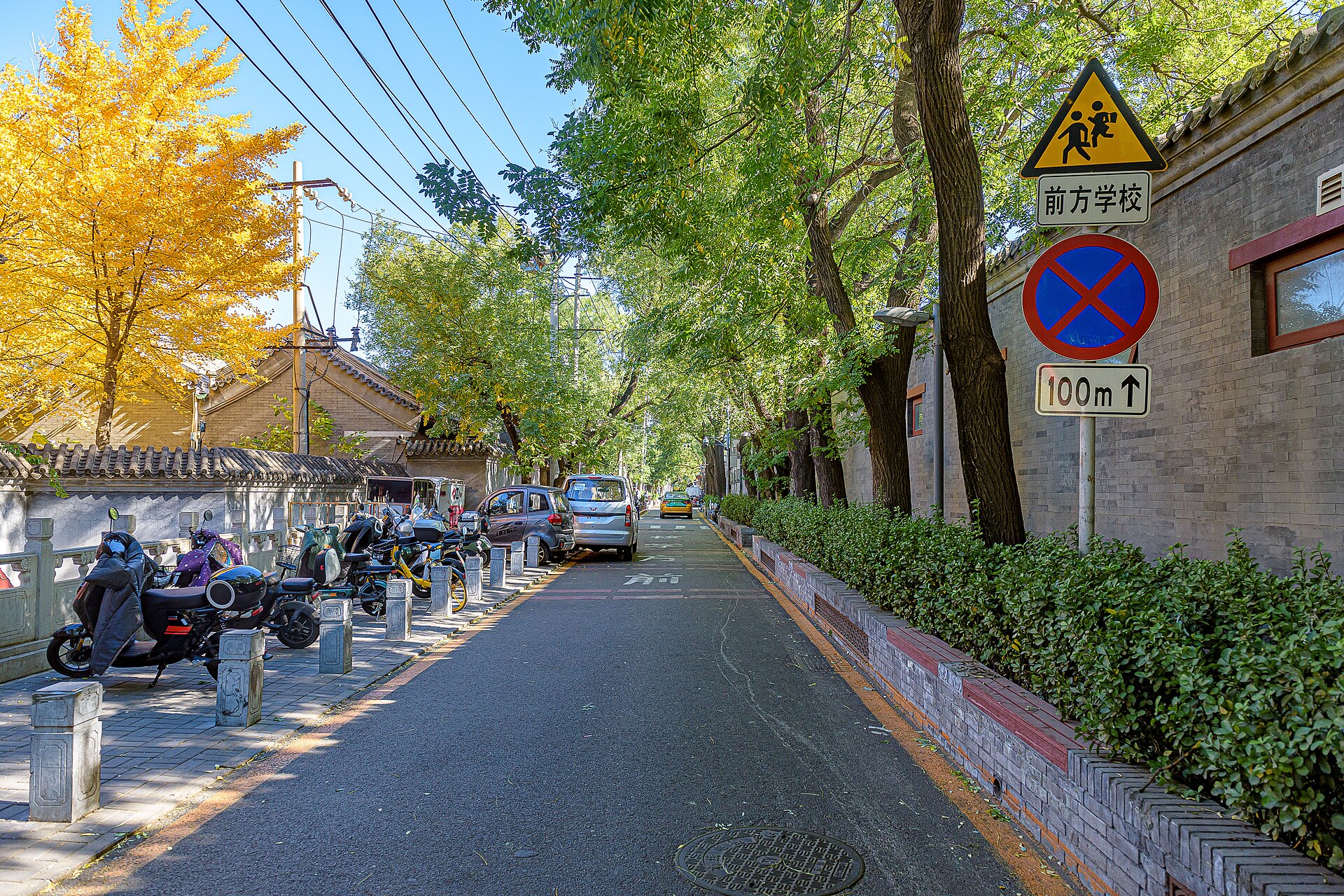
For a first visit built around the Forbidden City, hutongs and a day on the Great Wall, aim for mid-April to late May or mid-September to late October. If we had to choose one all-round window, it would be the weeks after the October National Day holiday: days are usually comfortable for walking, rain is less intrusive than in summer, and the hills north of the city begin to change colour.
That answer is not a guarantee of blue skies or autumn leaves on a fixed date. Beijing's spring and autumn are short, temperatures can swing sharply, and foliage develops earlier on cooler mountain ridges than it does in the city. Treat the window as a planning advantage, not a promise. Travellers tied to school holidays can still make July or August work; the sensible plan is simply different—outdoor sights early, a proper indoor break during the hottest part of the day, and room to adjust around rain.
Spring (March to May): best for active sightseeing. April is usually easier than March, which can be windy and surprisingly cold after sunset. By May, parks and the hills around the Great Wall are green, but midday heat is already possible. Spring suits travellers who want long walking days and can pack layers for a large morning-to-afternoon temperature change.
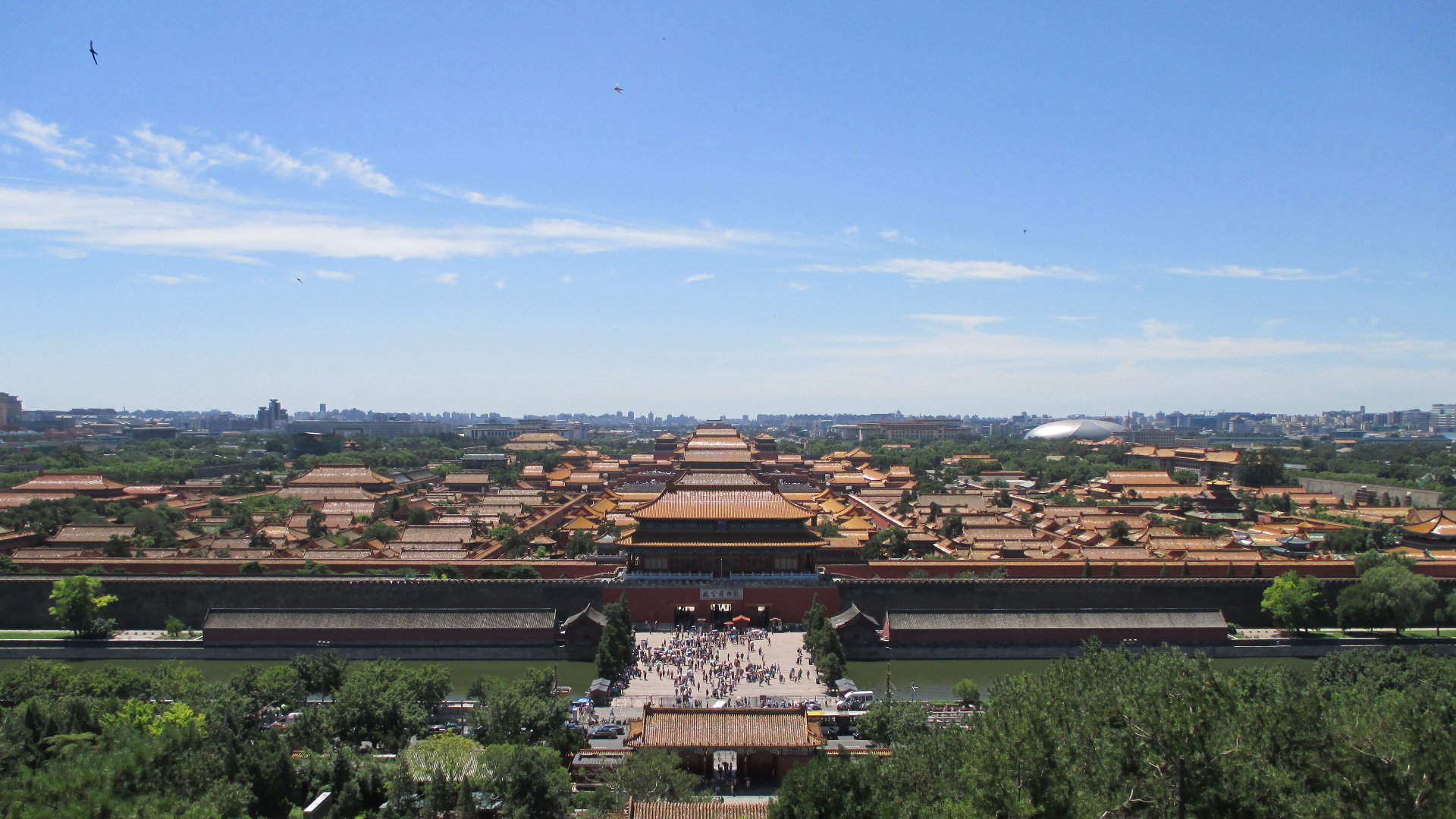
Summer (June to August): possible, but pace matters. July is Beijing's hottest month, and close to three quarters of the city's annual rain falls in summer. That does not mean continuous rain; it means heat, humidity and short, intense downpours can all affect the same day. Start exposed sites early, keep a museum or long lunch for mid-afternoon, and avoid building a tight train or flight connection immediately after a mountain excursion.
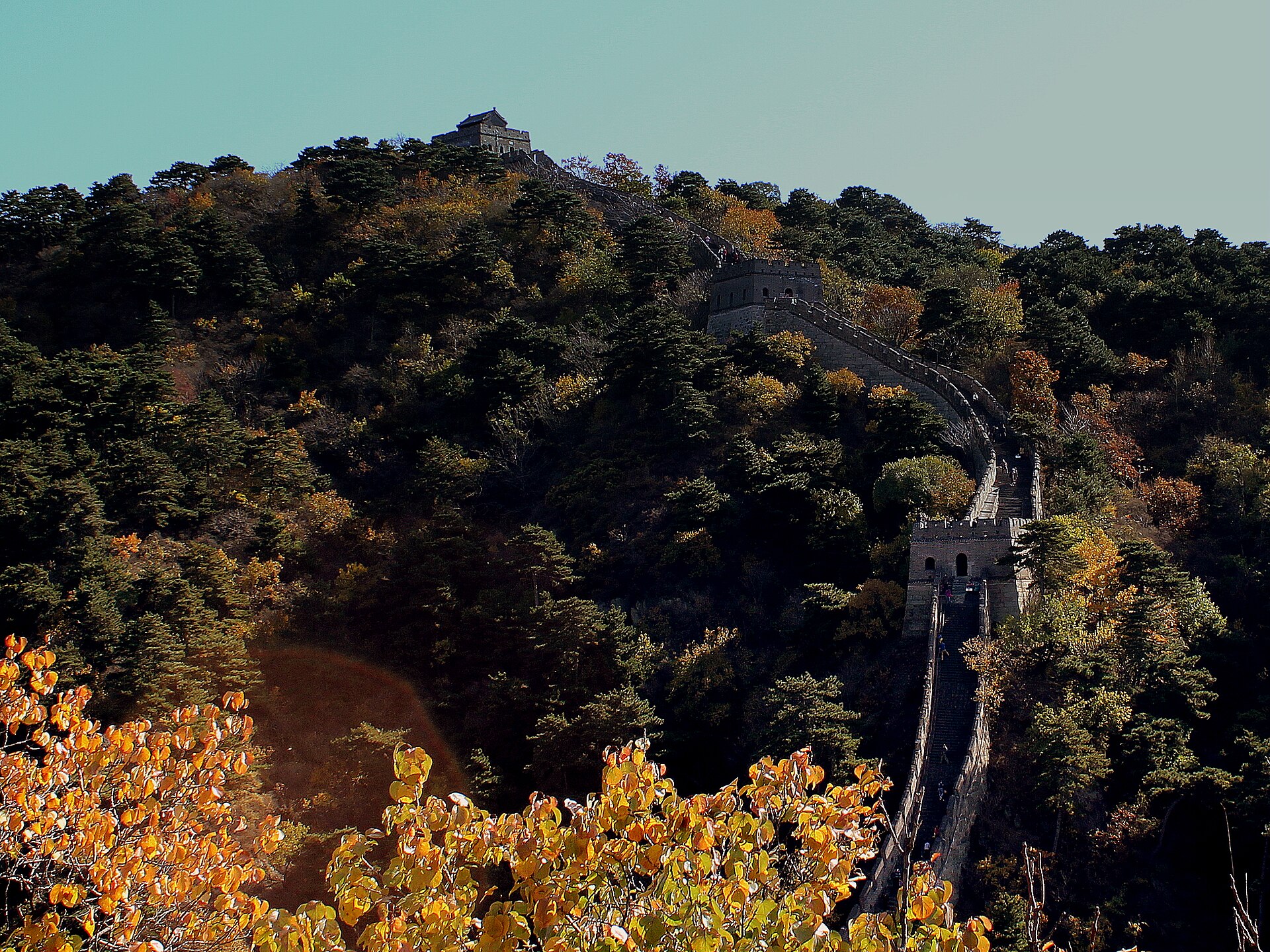
Autumn (September to November): the easiest overall choice. September stays warm, while October usually brings cooler, drier walking weather. Autumn colour at the Great Wall often becomes noticeable from mid-October, but timing varies by section, elevation and that year's weather. November is crisp and much quieter, though bare trees and cold winds replace the postcard foliage.
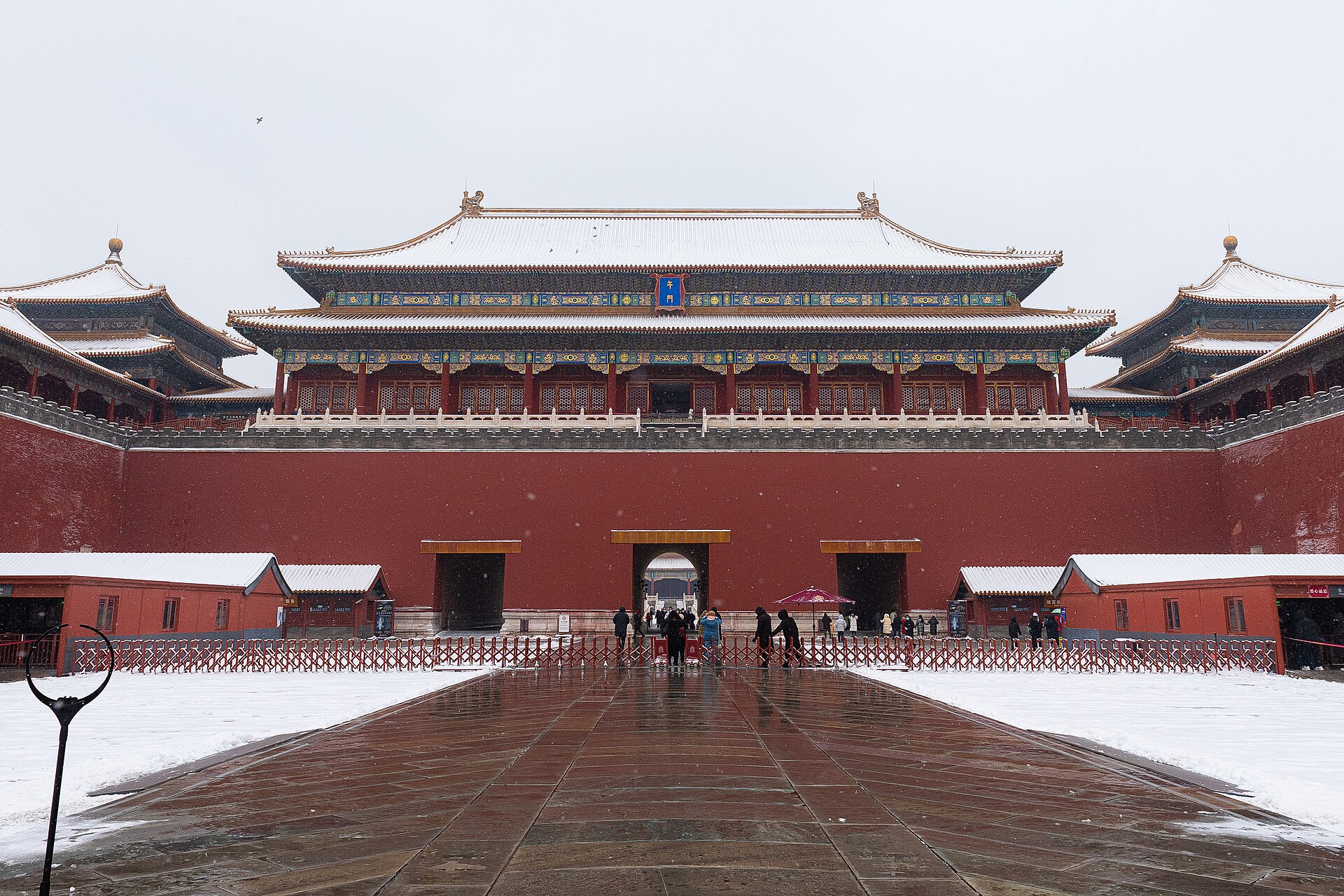
Winter (December to February): quiet, dry and genuinely cold. This is the season for travellers who value space more than comfort. Hotels may be better value and major sights feel less pressured outside the holiday period, but daylight is shorter and wind chill on the Wall can dominate the day. Snow is occasional, not the default; plan for a brown-grey winter landscape and regard fresh snow as luck.
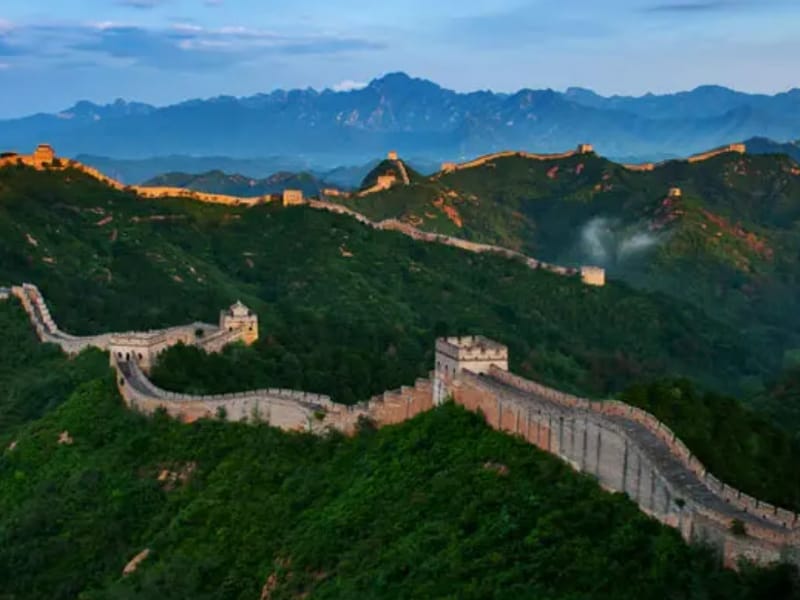
The Great Wall has its own weather. The ridges are cooler and windier than central Beijing, so take one more layer than the city forecast suggests. For most first-time visitors, a dry spring or autumn day matters more than chasing a particular leaf colour. After rain, snow or freezing conditions, stone steps can be slick. Choose the section and walking distance for your fitness, then check the same-day forecast before leaving.
The weather can be excellent while the travel experience is not. In 2026, the official public-holiday periods include Spring Festival from February 15 to 23, Qingming from April 4 to 6, Labour Day from May 1 to 5, Mid-Autumn Festival from September 25 to 27, and National Day from October 1 to 7. The two periods we would work hardest to avoid are May 1–5 and October 1–7, when intercity transport and headline attractions face concentrated domestic demand.
If those dates are your only option, do not abandon the trip—remove fragility from it. Stay in one well-connected base, allow extra transfer time, reserve limited-entry sights as soon as their official booking windows open, and avoid stacking the Forbidden City and Great Wall on consecutive high-stakes days. Spring Festival is different: some family-run businesses may close or shorten hours, while temple fairs and holiday atmosphere can be a reason to come. Confirm each attraction's current opening notice rather than assuming that every site follows the national calendar.
The table below uses rounded typical daytime highs and overnight lows for planning, not a forecast. Check Beijing's short-range forecast again before packing, and check the mountain forecast separately for a Great Wall day.
| Period | Temp | Notes |
|---|---|---|
| January | 2°C / −8°C | Very dry; snow is possible, not dependable |
| February | 6°C / −5°C | Cold; Spring Festival is Feb 15–23 |
| March | 13°C / 1°C | Windy and changeable; pack layers |
| April | 21°C / 9°C | Good walking weather; Qingming is Apr 4–6 |
| May | 27°C / 15°C | Warm and green; avoid May 1–5 if possible |
| June | 30°C / 20°C | Heat builds; showers become more frequent |
| July | 31°C / 23°C | Hottest and wettest period |
| August | 30°C / 22°C | Humid, rainy and busy with families |
| September | 26°C / 16°C | Warm early autumn; comfortable later |
| October | 19°C / 8°C | Excellent after the Oct 1–7 holiday |
| November | 10°C / 0°C | Crisp, quiet and increasingly cold |
| December | 4°C / −6°C | Dry, cold and short daylight |
Private & flexible · English-speaking guide · real-time online booking.
Tell our local experts what you'd like to see and we'll design a private, tailor-made itinerary with English-speaking guides — free plan & quote, no obligation.