Updated 2026 · 10 min · by NebulaTrip local experts
A Muslim traveller can eat well and travel comfortably in China, but the reliable method is verification—not assuming that one green sign, one neighbourhood or one booking-platform filter settles every requirement. The most useful characters are 清真 (qingzhen). They identify a Muslim food or religious context, yet China does not operate one simple nationwide restaurant certificate that every traveller can interpret in the same way. Local rules and displays vary, and a sign does not answer an individual's questions about slaughter, alcohol, shared cookware or packaged ingredients.
Build the trip around places with a visible Muslim community and several food choices, then ask precise questions. Xi'an, Lanzhou, Xining, Beijing's Niujie area, Yinchuan and Kashgar can all work, but no whole street or city is automatically halal. Mosques are living religious spaces, not guaranteed attractions or public prayer rooms. The practical approach below protects dietary and worship needs without making claims about a person's religion from clothing or turning residents into part of a tourist display.
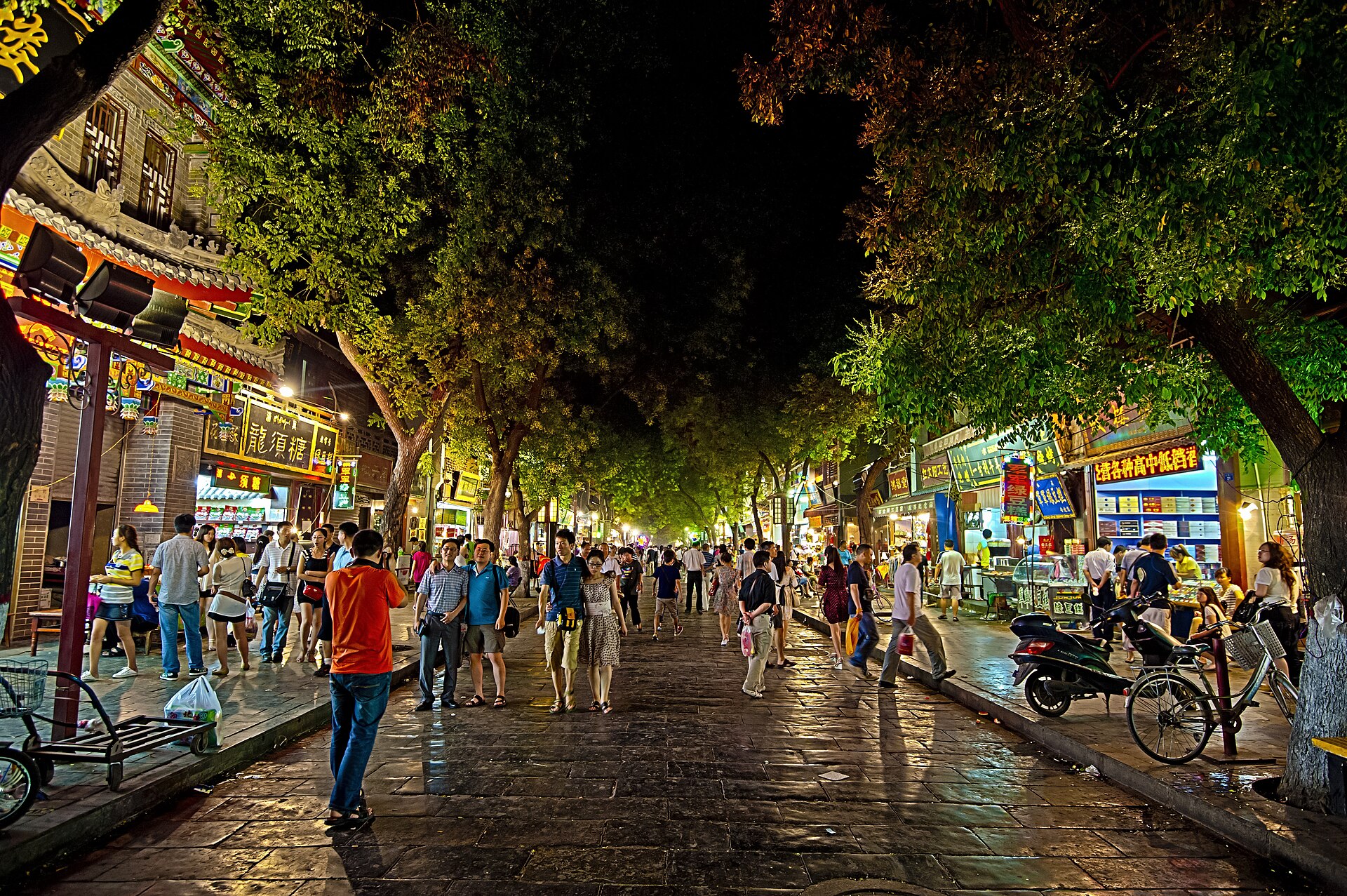
Start with 清真 on the current shop sign, menu or packaged label, then look for a valid local plaque or registration where that jurisdiction uses one. Government material shows why caution is necessary: halal-food supervision in China is handled through provincial and local frameworks, and old local certification standards have sometimes been repealed. Do not describe qingzhen as a single nationwide certification system.
Ask the questions that matter to you: Is all meat halal? Is pork or lard handled in the kitchen? Is alcohol sold or used in sauces? Are the wok, broth and fryer shared? A restaurant can give a satisfactory answer to one and not another. Crowds, Arabic lettering, a crescent logo or proximity to a mosque are not substitutes for that conversation. Nor should staff clothing be used to infer religion or compliance.
For packaged food, read the complete ingredient list and the named manufacturer rather than relying on green packaging. Imported certification marks may be more familiar, but confirm their issuer and product scope. If strict assurance is essential and communication fails, choose a sealed item with credentials you can verify or return to a restaurant already checked by a trusted local community contact.
“I do not eat pork” is narrower than “I require halal food.” Save a Chinese card that matches your practice, for example: 我只吃清真食品。请确认肉类来源、汤底、食用油和厨具都符合要求,也不使用猪肉、猪油或酒。 It asks the restaurant to confirm the meat source, broth, oil and utensils and says no pork, lard or alcohol. Have a fluent speaker review the wording before travel rather than improvising at a busy counter.
Name allergens separately. Halal status does not answer whether a dish contains peanuts, sesame, shellfish, egg, dairy or wheat, and “vegetarian” does not prove that a broth, sauce or shared fryer meets halal practice. For a severe allergy, use an allergy card, speak to the kitchen and keep the prescribed medication available.
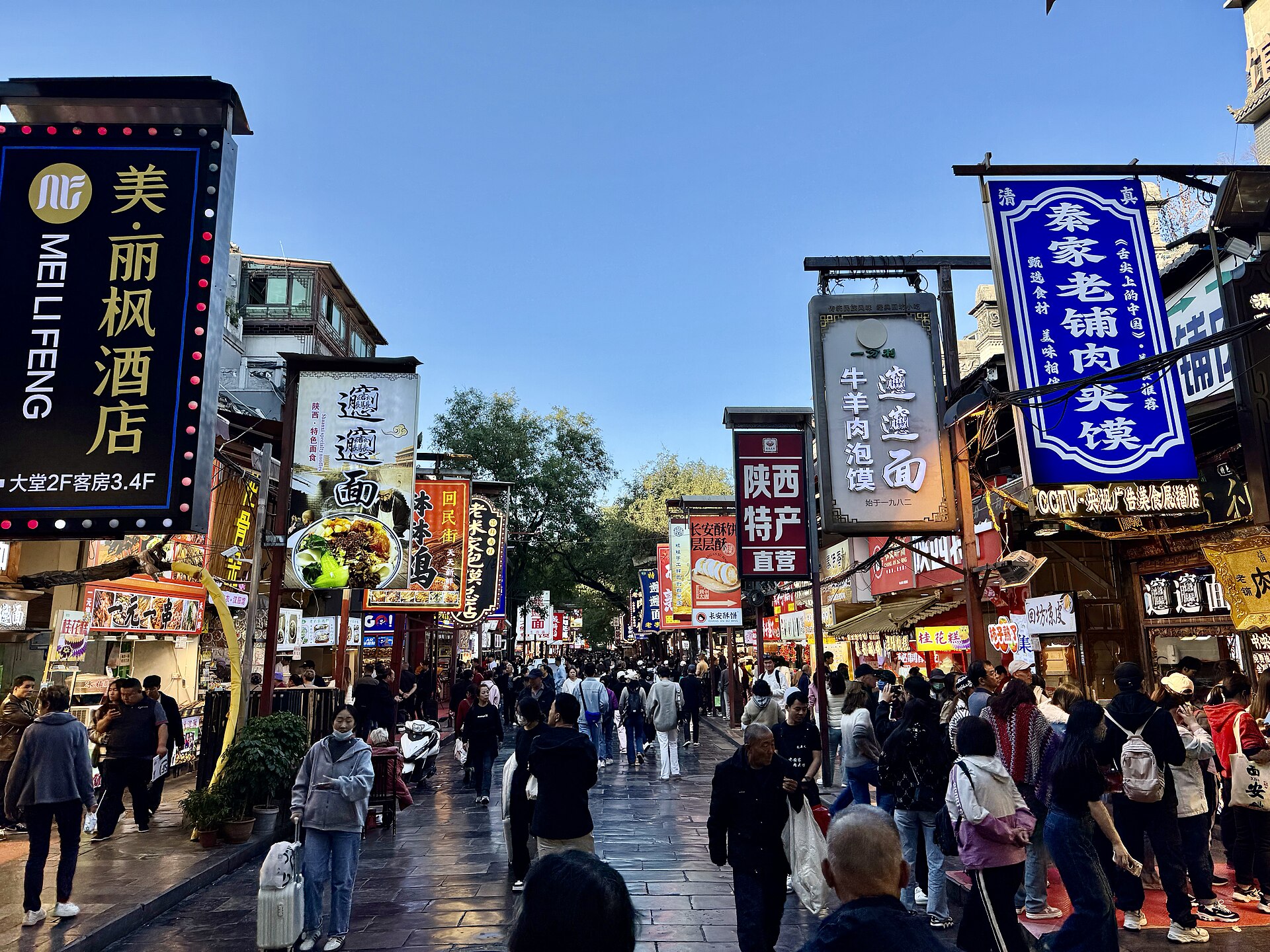
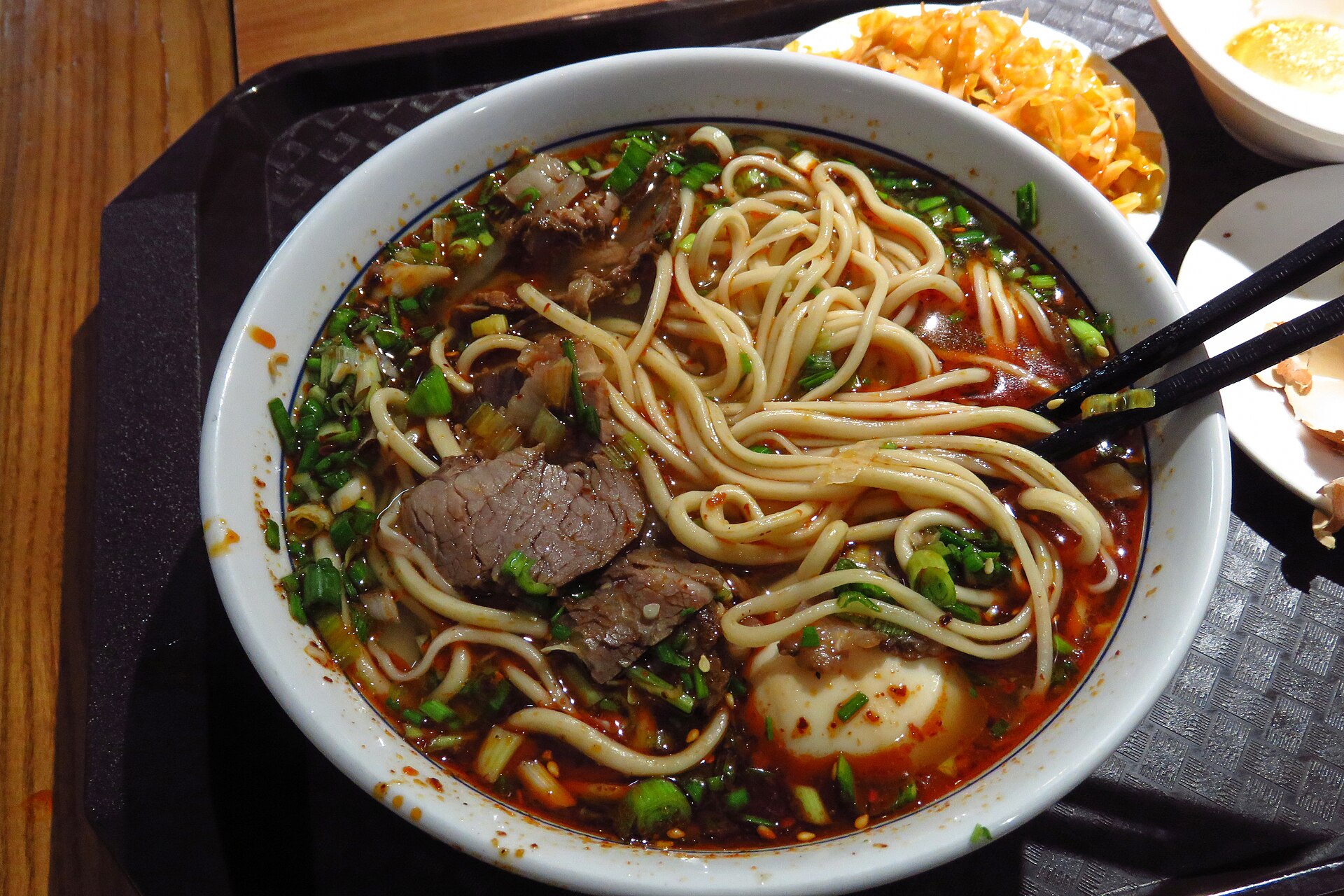
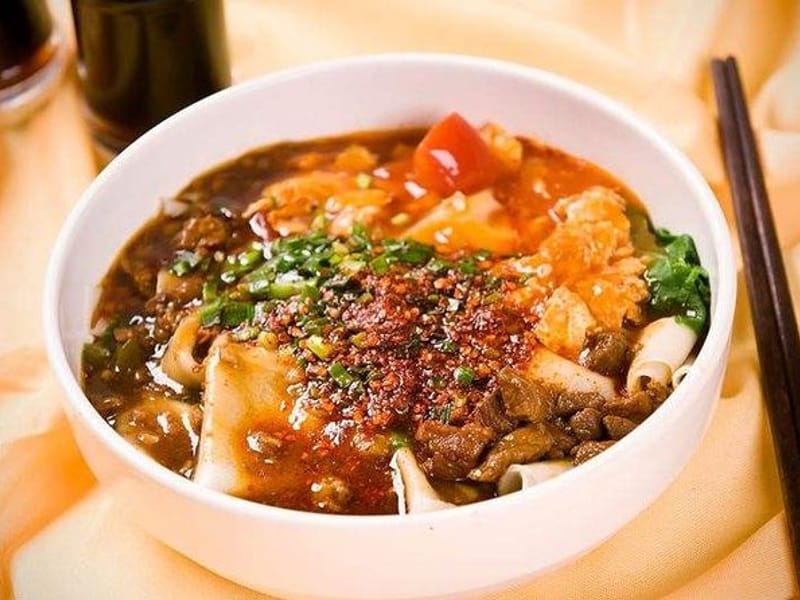
Lanzhou beef noodles, hand-grabbed mutton, pilaf, skewers, flatbread and other northwestern foods create many possibilities, but a dish name alone certifies nothing. Choose the establishment first, then the dish. Photograph or save its Chinese address so a driver can return there, and confirm hours on the day—especially around Friday prayer, Ramadan or a public holiday. A short list of two checked restaurants near each hotel is more useful than a nationwide list that may already be stale.
For a first visit, Xi'an or Beijing is easiest. Xi'an's Great Mosque and surrounding lanes put heritage and many restaurants within walking distance, but the tourist street is busy and every stall still needs its own check. Beijing's Niujie area is convenient within a larger classic-city itinerary. Neither requires turning the entire trip into a special-interest route.
For food depth, use Lanzhou, Xining or Yinchuan. These cities offer several northwestern traditions and make it easier to compare restaurants rather than depend on one hotel. Build in a market or food walk only with a guide who understands the traveller's dietary standard; “local food expert” does not automatically mean halal verification.
For a longer Silk Road journey, add Kashgar carefully. Kashgar Old City, the Id Kah exterior and regional food can be meaningful parts of the trip, but a market is a workplace and a mosque has its own access rules. A Pamir excursion adds altitude and border-document questions unrelated to halal food. Do not sell it as a casual extension. Dunhuang, Zhangye or other Silk Road stops can be linked by rail, yet each hotel and restaurant list must be checked anew rather than assuming the whole corridor shares one food system.
Search maps with the exact Chinese name plus 清真寺, then verify by a current mosque or local community contact. A map pin does not establish the entrance, prayer times, women's facilities, ablution access or whether a traveller may enter a particular area. Call or message ahead for Friday prayer and during Ramadan. Arrive without treating worship time as a sightseeing appointment.
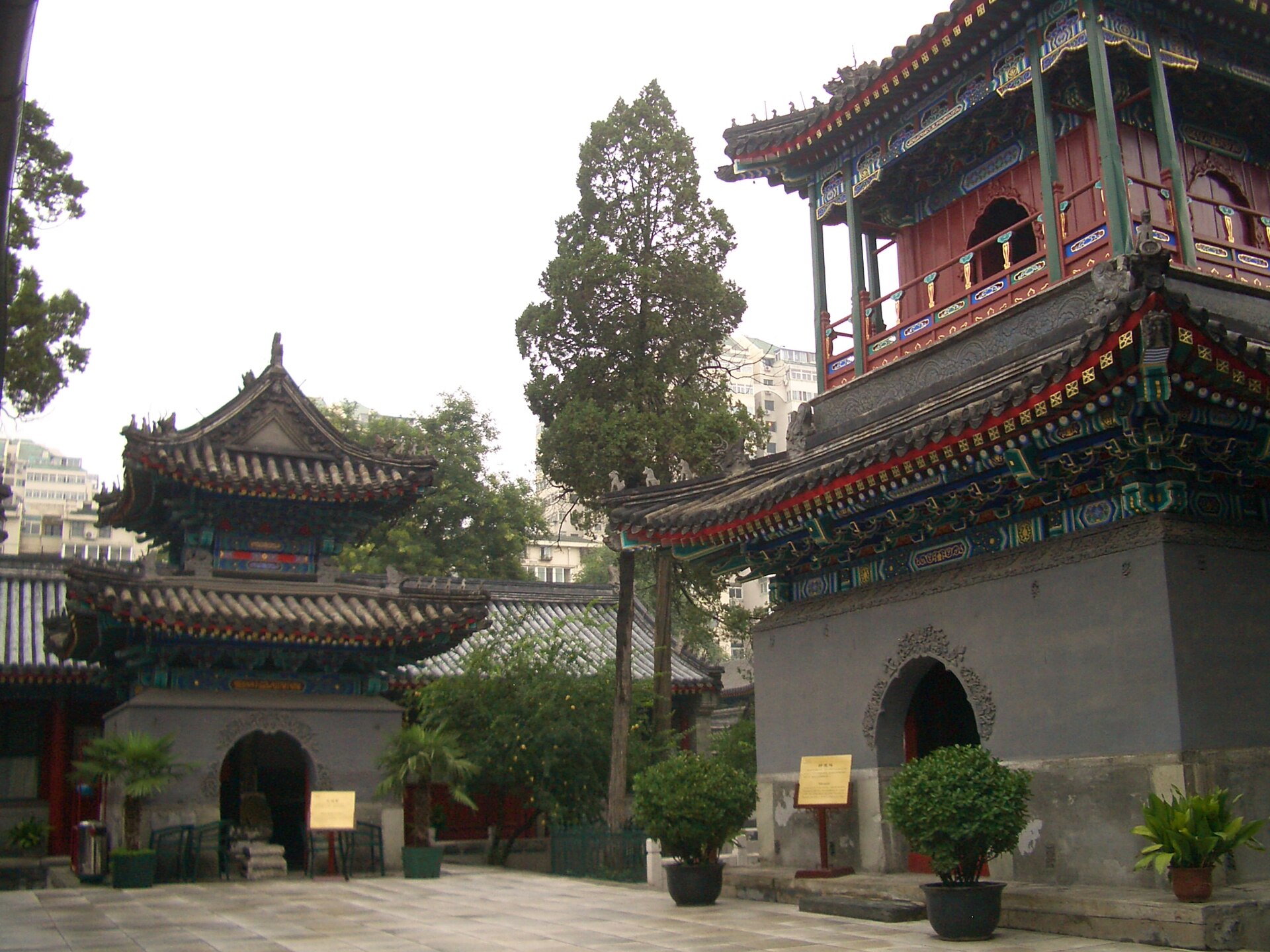
At an unfamiliar mosque, dress modestly, follow posted shoe and access rules and ask before entering the prayer hall. Non-Muslim companions should confirm whether visitors are admitted and which courtyard is public. Do not photograph people praying—or any person at close range—without clear permission. The same caution applies at the Great Mosque of Xi'an, Niujie Mosque, Id Kah Mosque and smaller neighbourhood spaces; their fame does not create uniform visitor rules.
Do not assume that every airport, rail station or mall has a prayer room because a blog lists one. Check the exact terminal and current facility map, ask staff for 祈祷室, and keep a fallback plan such as a private, clean space agreed with the hotel or lounge. Carry a light prayer mat and offline prayer-time information, but follow local safety and access instructions.
For seven days, choose Beijing plus Xi'an or Xi'an plus Lanzhou. The first keeps headline history while providing established food bases; the second gives more northwestern cuisine with less backtracking. For ten days, continue from Lanzhou toward Zhangye and Dunhuang only after confirming meals at the intermediate hotels. Kashgar deserves a separate, slower trip rather than a one-night flight detour.
Place accommodation within a short ride of two checked restaurants and the mosque the traveller plans to use, not merely in the general “Muslim Quarter.” Give a guide the written food standard before contracting and ask for actual restaurant names. Reconfirm them 24 hours before arrival. Keep breakfast supplies for early departures, a few verified packaged foods for long rail days and translation support that works offline.
During Ramadan, ask each hotel about pre-dawn food, late arrival and food storage; do not assume every qingzhen restaurant changes hours in the same way. Respect fasting colleagues and residents without presuming who is observing. The trip works when it has redundancy: two meal options, a verified prayer plan and a respectful alternative if a religious site or restaurant is unavailable.
Book the Kashgar Private Tour: Mosque, Concubine's Garden & Old City with real-time availability.
See tour & book Plan with AIPrivate & flexible · English-speaking guide · real-time online booking.
Tell our local experts what you'd like to see and we'll design a private, tailor-made itinerary with English-speaking guides — free plan & quote, no obligation.