Updated 2026 · 10 min · by NebulaTrip local experts
For a first Great Wall day from Beijing, choose Mutianyu unless another section solves a specific problem better. Badaling is easier by public transport, Jinshanling gives stronger walkers a longer mountain day, and Simatai makes sense when the wall is part of an overnight at Gubei Water Town. None is simply “best”: the useful question is how much transport, climbing, crowd exposure and schedule risk you will accept.
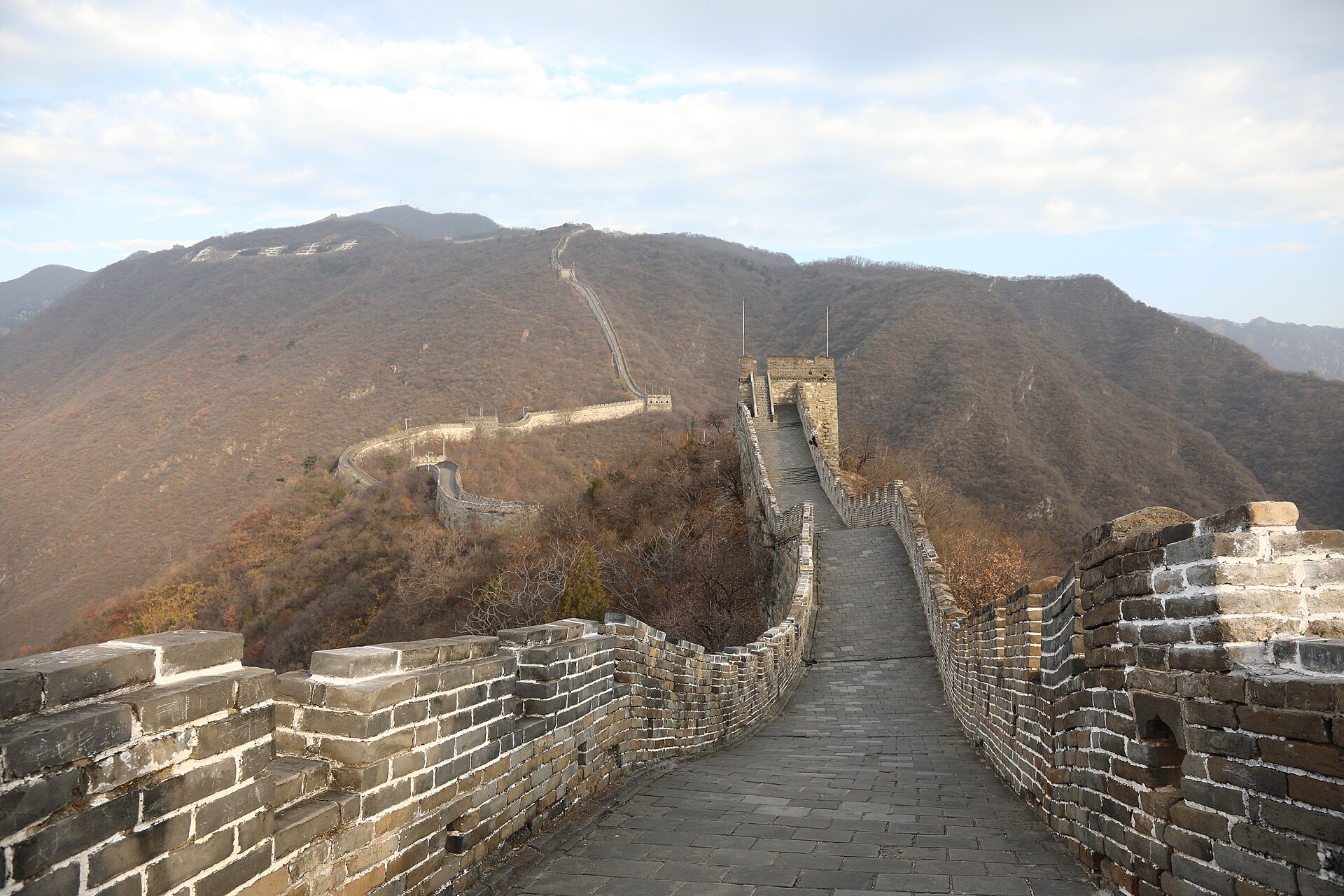
Mutianyu works for mixed groups because the hard decisions can be made on the day. You can hike up, use a cable car, or combine an assisted ascent with a longer walk along the restored wall. That flexibility matters more than claims that it is always quiet: school trips, weekends and public holidays can still produce queues.
The wall crosses forested ridges, but autumn colour, snow and clear distance views are weather-dependent rather than features you can book. Families should also separate “child-friendly access” from “easy terrain.” Cable transport removes much of the initial climb; the wall itself still has steps, slopes and exposed weather. The slide descent is an optional ride, not the only way down.
Mutianyu currently uses real-name ticketing, and foreign visitors can book with a passport and must bring the booked document. Check the official notice page shortly before travel: in 2026, rain warnings, restoration work and cable-car maintenance have all changed what was open. It is the best default, not a no-planning option.
Badaling is the practical answer when a rail-based day matters more than a secluded atmosphere. It has established public-transport links, a broad restored surface and substantial visitor infrastructure. That can suit a solo traveller who does not want to arrange a driver, an older group that values clear facilities, or anyone fitting the wall into a tight Beijing stay.
The trade-off is not that Badaling is “bad”; it is that the access advantage attracts demand. A historical photograph of a full walkway proves only what happened that day, and an empty promotional image proves even less. Weekends and national holidays are the periods to treat cautiously. Start early, decide in advance whether you prefer the north or south route, and do not assume you can cover every open tower before returning to your train or bus.
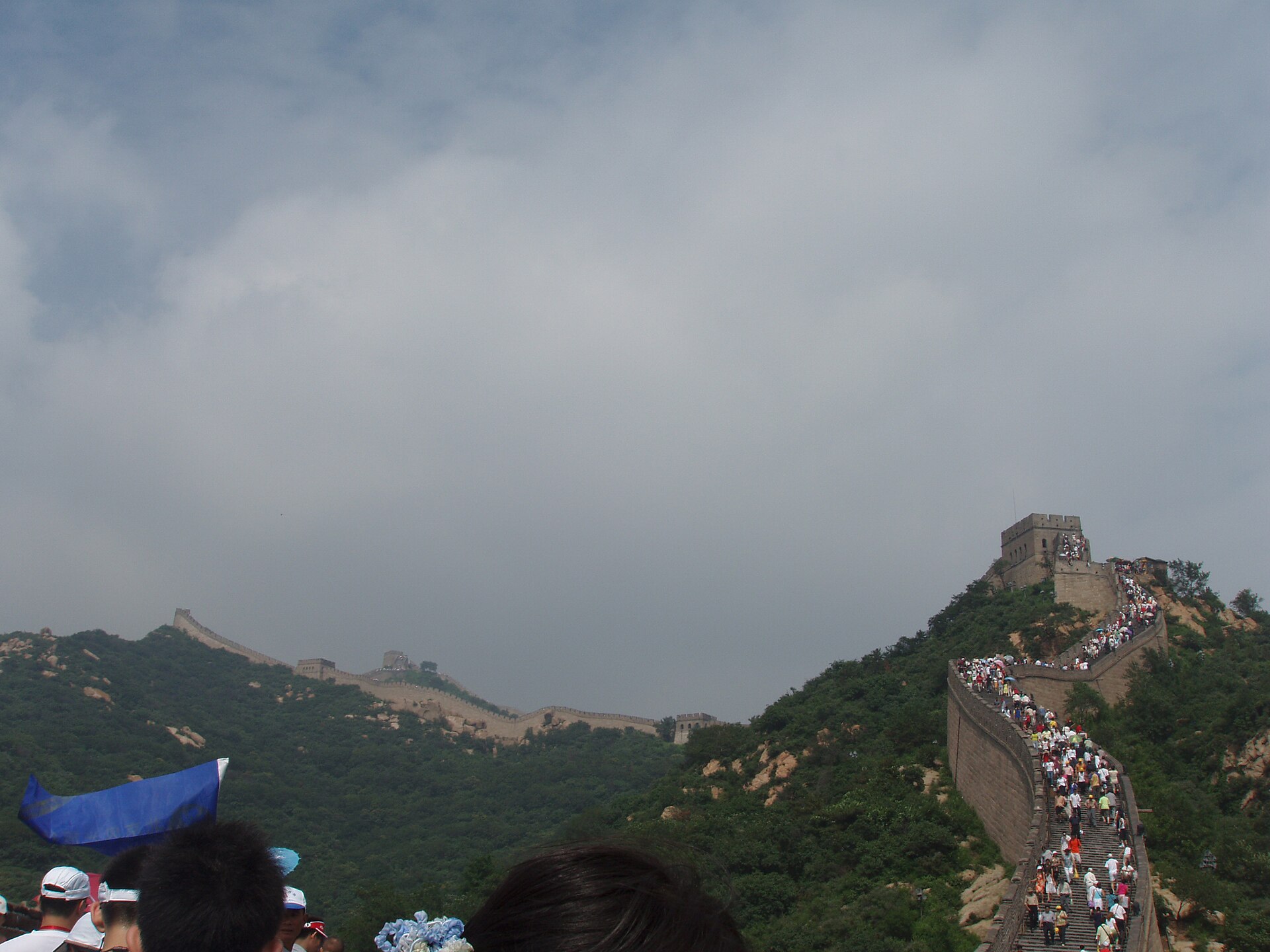
Badaling also disproves an old comparison still repeated online: Simatai is no longer the only Great Wall section with night access. Badaling announced a 2026 night season from April 30 to October 6, with a limited lit route and operating details subject to adjustment. Treat a night program as a dated event ticket, not a permanent characteristic of the section.
Choose Jinshanling when the walk itself is the reason for going. The section lies much farther from central Beijing than Badaling or Mutianyu, and its repeated climbs, uneven masonry and long ridge views create a more demanding day. A cable car can reduce the approach, but it does not flatten the wall. Sturdy footwear, water and enough daylight still matter.
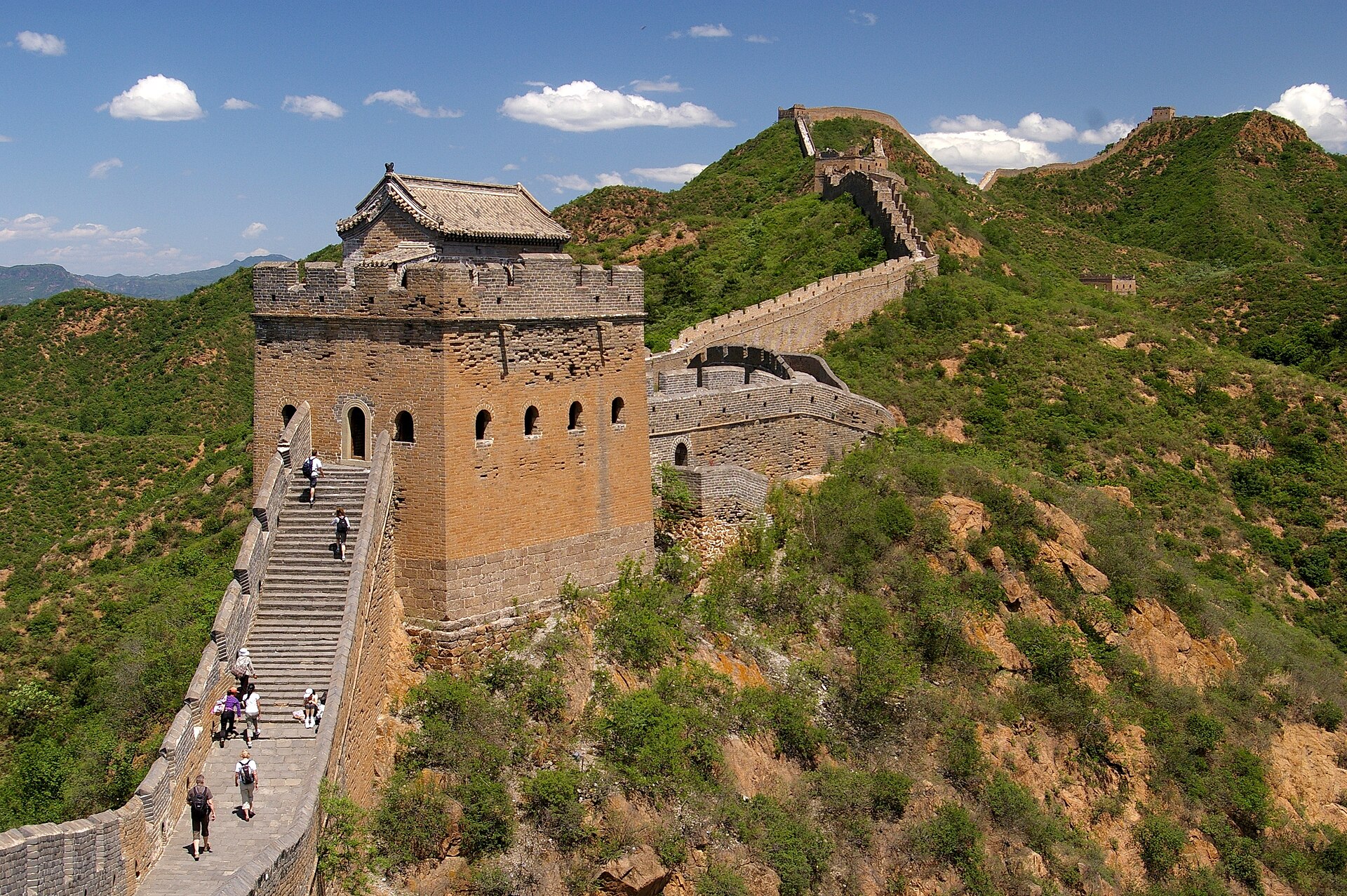
Jinshanling mixes repaired surfaces with visibly older fabric inside a managed scenic area. “Partly restored” should not be read as permission to climb barriers, enter closed towers or seek an unregulated wild-wall route. The right plan is to use the route open within the attraction on your visit date and turn around with enough time for the drive back.
Do not copy an old “classic Jinshanling-to-Simatai through-hike” itinerary without current confirmation. Access between named sections and gates has changed over time, and a 2026 event or opening notice for Jinshanling does not prove that the entire historic traverse is available. Arrange transport around the entrance you will actually use. If your group contains one reluctant hiker, this is usually the wrong compromise; the distance makes an early exit expensive in time.
Simatai makes most sense as a wall-and-water-town trip, not as a faster substitute for Mutianyu. The official ticket system ties current wall products to Gubei Water Town operations, and cable-car times, day access and evening products need to be checked for the chosen date. The wall is steep enough that a late arrival can leave little useful walking time.
The attraction is the sequence: explore in daylight, eat or rest in the developed water-town area, then use a valid evening product if one is actually operating. That comes with a clear trade-off. Gubei Water Town is a managed resort with hotels, restaurants and staged night-time activity; travellers seeking an undeveloped village will find the setting commercial. Travellers who value an easy overnight, however, may prefer that infrastructure to a long same-day return to Beijing.
Do not describe Simatai as the only night wall. Badaling and Mutianyu both offered night programs in 2026, and Mutianyu also suspended one summer period at short notice. Simatai remains a distinctive overnight pairing, but night access is an operational product. Confirm the exact wall segment, last cable and ticket inclusions on the official Gubei Water Town page before committing.
Use the person with the least mobility, the shortest schedule or the lowest appetite for transport as the deciding factor. Mutianyu is the balanced answer for most first visits. Pick Badaling when independent public transport is decisive. Pick Jinshanling only when the whole group wants a longer, rougher walking day. Pick Simatai when an overnight resort stay is part of the appeal.
Then make one transport plan and one fallback. Check the last return connection before buying the attraction ticket; a cheap outward journey is not useful if it strands you after closing. Bring the original passport used for any reservation, shoes with grip, water, sun and rain protection, and a warmer layer than central Beijing suggests. On wet, icy or very windy days, exposed steps and cable operations can change the calculation.
Finally, avoid treating “arrive early” as a crowd guarantee. It creates more margin for security, shuttles and weather, which is the real benefit. Around the 2026 public holidays—especially May 1–5 and October 1–7—reserve early or choose a different date. Recheck the scenic area's own notices the day before departure; a current closure beats any evergreen guide.
Private & flexible · English-speaking guide · real-time online booking.



Tell our local experts what you'd like to see and we'll design a private, tailor-made itinerary with English-speaking guides — free plan & quote, no obligation.