Updated 2026 · 11 min · by NebulaTrip local experts
China's 240-hour visa-free transit is useful, but the name encourages one costly misunderstanding: it is not a 10-day tourist visa on arrival. It is permission for an eligible traveller to enter while passing through China on the way to a third country or region. Check the route first; the hotel and sightseeing plan come second.
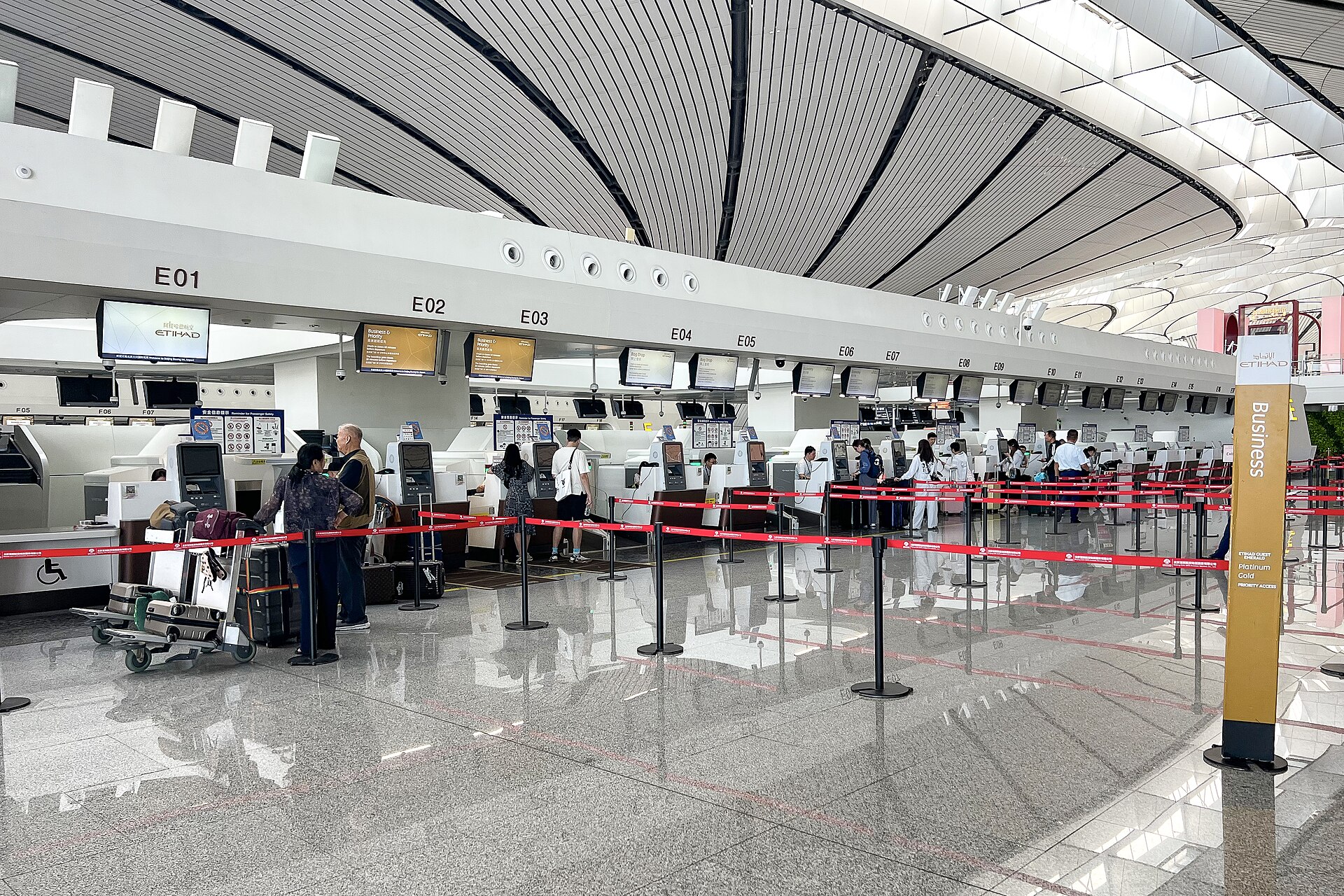
Use four tests. You need to pass all four.
1. Your nationality is on the current list. As of July 2026, the National Immigration Administration (NIA) lists 55 eligible countries. Europe: Albania, Austria, Belarus, Belgium, Bosnia and Herzegovina, Bulgaria, Croatia, Cyprus, Czech Republic, Denmark, Estonia, Finland, France, Germany, Greece, Hungary, Iceland, Ireland, Italy, Latvia, Lithuania, Luxembourg, Malta, Monaco, Montenegro, the Netherlands, North Macedonia, Norway, Poland, Portugal, Romania, Russia, Serbia, Slovakia, Slovenia, Spain, Sweden, Switzerland, Ukraine and the United Kingdom. The Americas: Argentina, Brazil, Canada, Chile, Mexico and the United States. Oceania: Australia and New Zealand. Asia: Brunei, Indonesia, Japan, Qatar, Singapore, South Korea and the United Arab Emirates. Eligibility follows nationality, not where you live.
2. Your travel document works for the whole route. The NIA requires a valid international travel document with at least three months' validity, and you must also meet the entry rules for the destination after China. A transit exemption cannot fix a passport, visa or admission problem at the next border.
3. The route is genuine transit. Think A → mainland China → B, where B is a different country or region from A. London → Beijing → Tokyo is the straightforward pattern. London → Beijing → London is a return trip, not transit to a third place. Immigration officers examine the actual journey shown by your tickets; a long stop in China does not turn a round trip into transit.
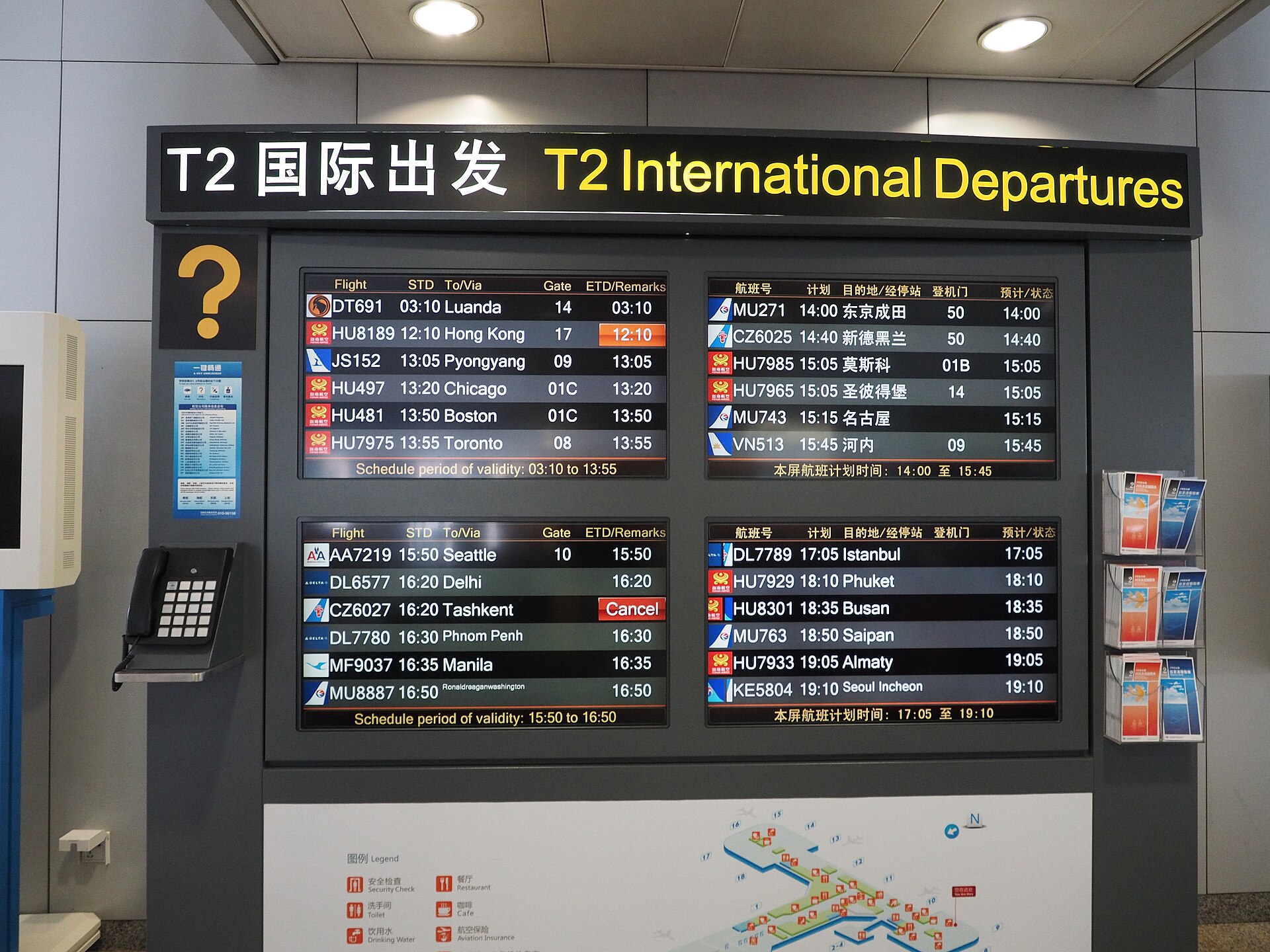
4. Your onward travel is confirmed and leaves in time. Bring a ticket or other accepted proof showing the date, seat or confirmed arrangement, and destination. The official 240-hour period is calculated from 00:00 on the day after entry, not simply 240 hours from the moment the aircraft lands. That rule may create more elapsed time than ten exact 24-hour blocks, but it is poor planning to use the final minutes. Weather, a cancelled train or an airport change can erase the margin quickly.
The current policy covers 65 entry ports in 24 provincial-level regions. Those numbers do not mean every international terminal qualifies, and they do not make the whole country an unrestricted travel zone. Each entry port comes with a permitted stay area. Some areas connect across provincial boundaries; others are limited to named cities. Build the route from the NIA's current port and permitted-area list, not from an old blog map—the superseded totals of 54 countries and 60 ports are still easy to find online.
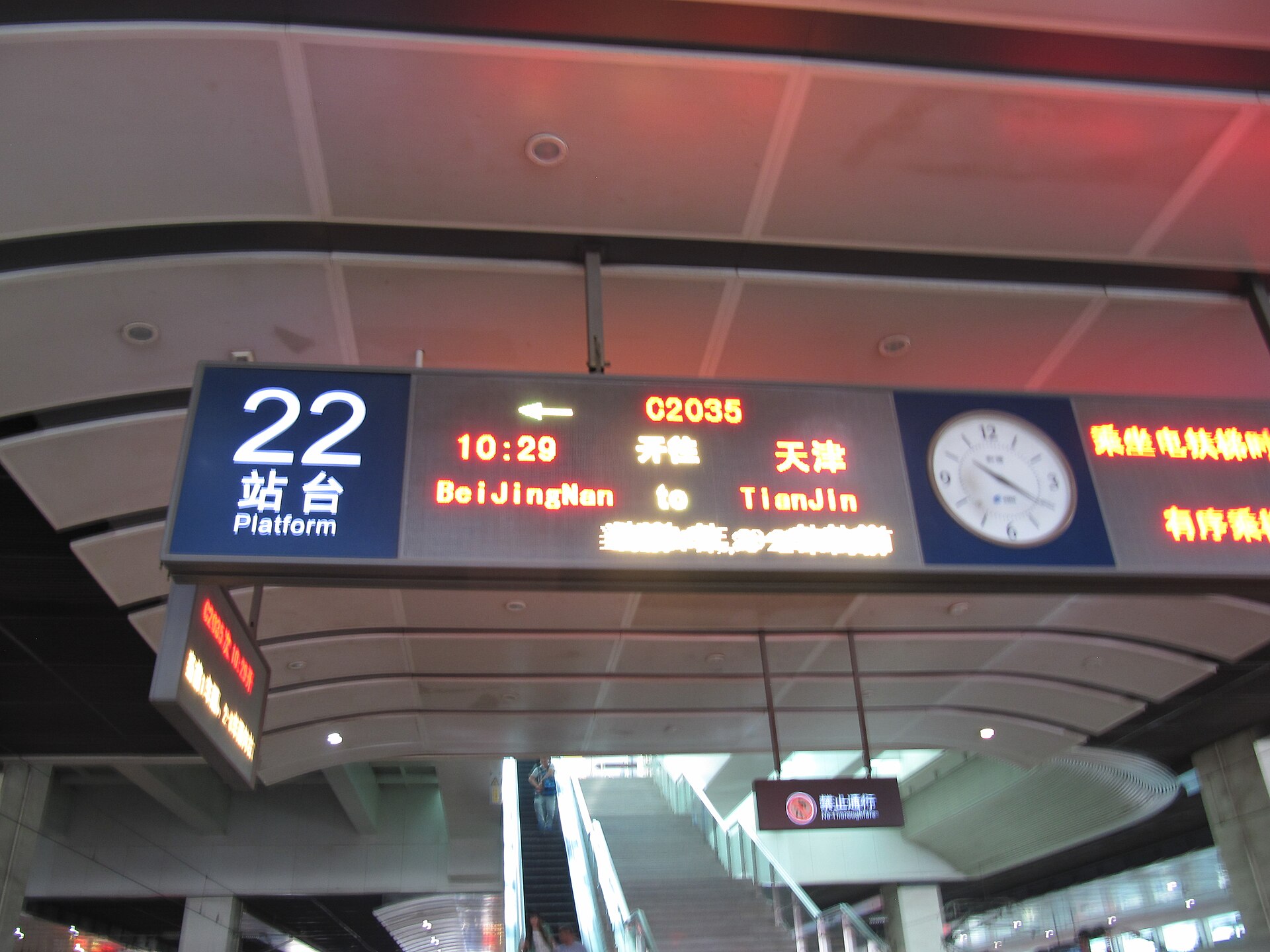
Before departure: save the official policy page, your complete inbound and outbound booking, the address of your first night's accommodation and evidence that you can enter the next destination. If your itinerary uses separate tickets, make the connection especially easy to understand and leave enough time for bags and terminal changes. Since November 2025, foreign travellers can also complete arrival information online through official NIA channels before reaching China, although a paper or port-based option remains available for those who do not.
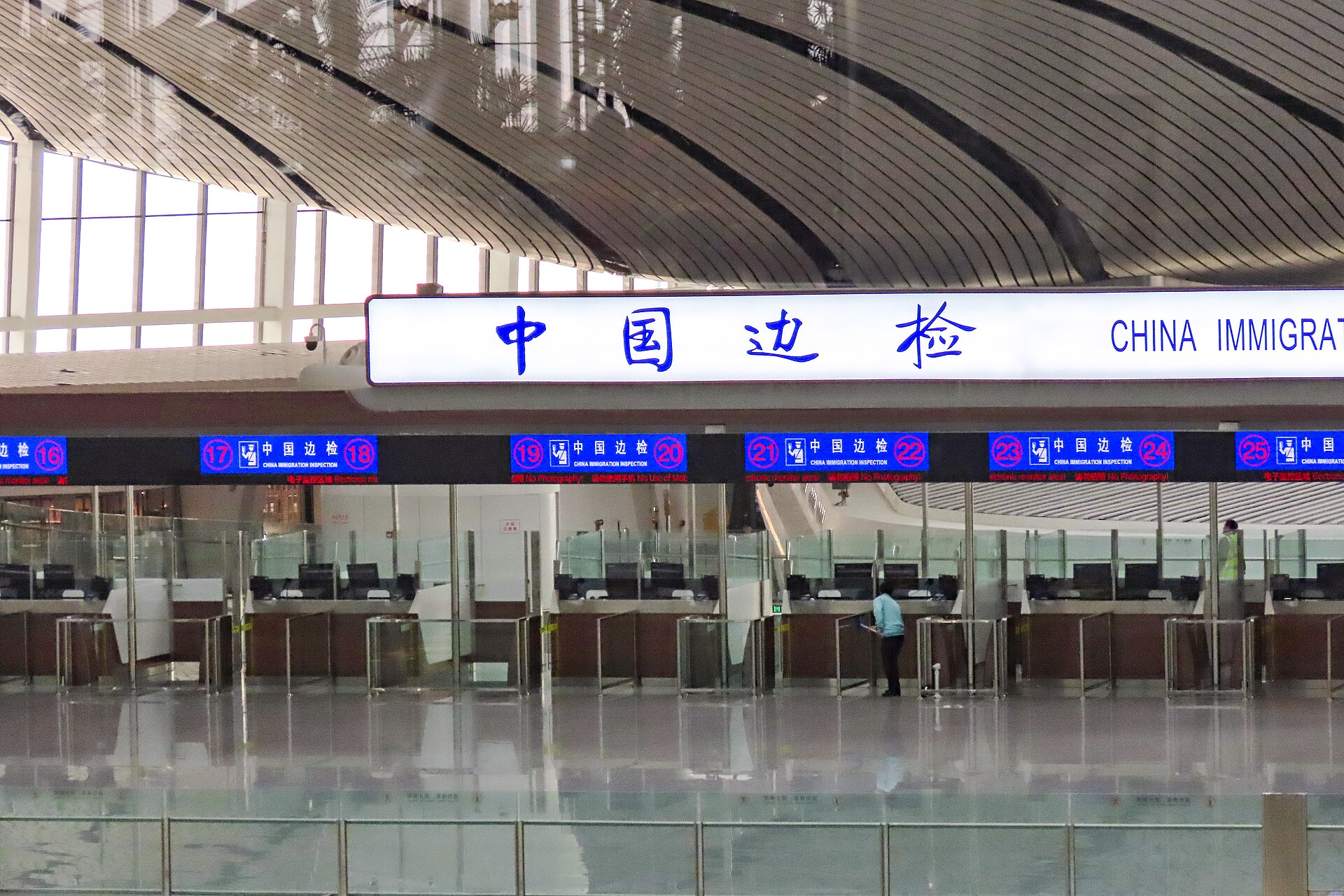
At the Chinese border: follow the signs or ask for the 240-hour visa-free transit procedure. Present your passport, onward booking and requested itinerary details, then complete the temporary-entry formalities. This is an application reviewed by immigration at the port, not an automatic entitlement generated by holding the right passport. Keep the document or entry record issued to you and make sure the approved departure deadline and area match the trip you intend to take.
During the stay: remain inside the permitted area and leave through an eligible route before the deadline. Tourism, business, visits and family visits are allowed under the policy. Work, study and news reporting that require prior approval still need the appropriate visa. Accommodation registration also applies: hotels normally submit it for guests, while the traveller or host must register a stay in a private home within 24 hours. The NIA now provides an online service as well as the local public-security route.
The mistakes we would screen out before booking are simple: the inbound and outbound countries are the same; the arrival port is not on the current list; the onward reservation is not confirmed; a domestic side trip crosses outside the permitted area; or the plan uses an old 144-hour article and assumes its map still applies. If any segment is unusual—open-jaw tickets, a land or ferry crossing, multiple Chinese regions, or a last-day connection—call China's immigration service hotline 12367 or ask the intended port before paying for non-refundable arrangements. The border authority makes the final admission decision.
Private & flexible · English-speaking guide · real-time online booking.






Tell our local experts what you'd like to see and we'll design a private, tailor-made itinerary with English-speaking guides — free plan & quote, no obligation.