Updated 2026 · 10 min · by NebulaTrip local experts
“Off the beaten path” is useful only if it changes the pace. It should not mean chasing an “untouched” village, entering an unmanaged valley or expecting residents to perform culture on demand. For a second China trip, choose one region for four to seven days: Fujian's named World Heritage tulou clusters, the G219 corridor through Yunnan's Nujiang valley, Zhaoxing and Tang'an in Guizhou, or the protected Zuojiang Huashan rock-art landscape in Guangxi.
All four are accessible enough to plan and complex enough to reward time. They also have real limits. Tulou are heritage buildings and in some cases homes; a ticket does not open every room. Nujiang road conditions are weather-sensitive. Guizhou festivals need an exact public schedule. Zuojiang's rock art is protected and often viewed from a controlled distance. The right guide or driver helps with language and timing, but cannot turn a private house, religious space or closed route into an attraction. This guide gives each region a workable shape and the trade-off that glossy “hidden China” lists leave out.
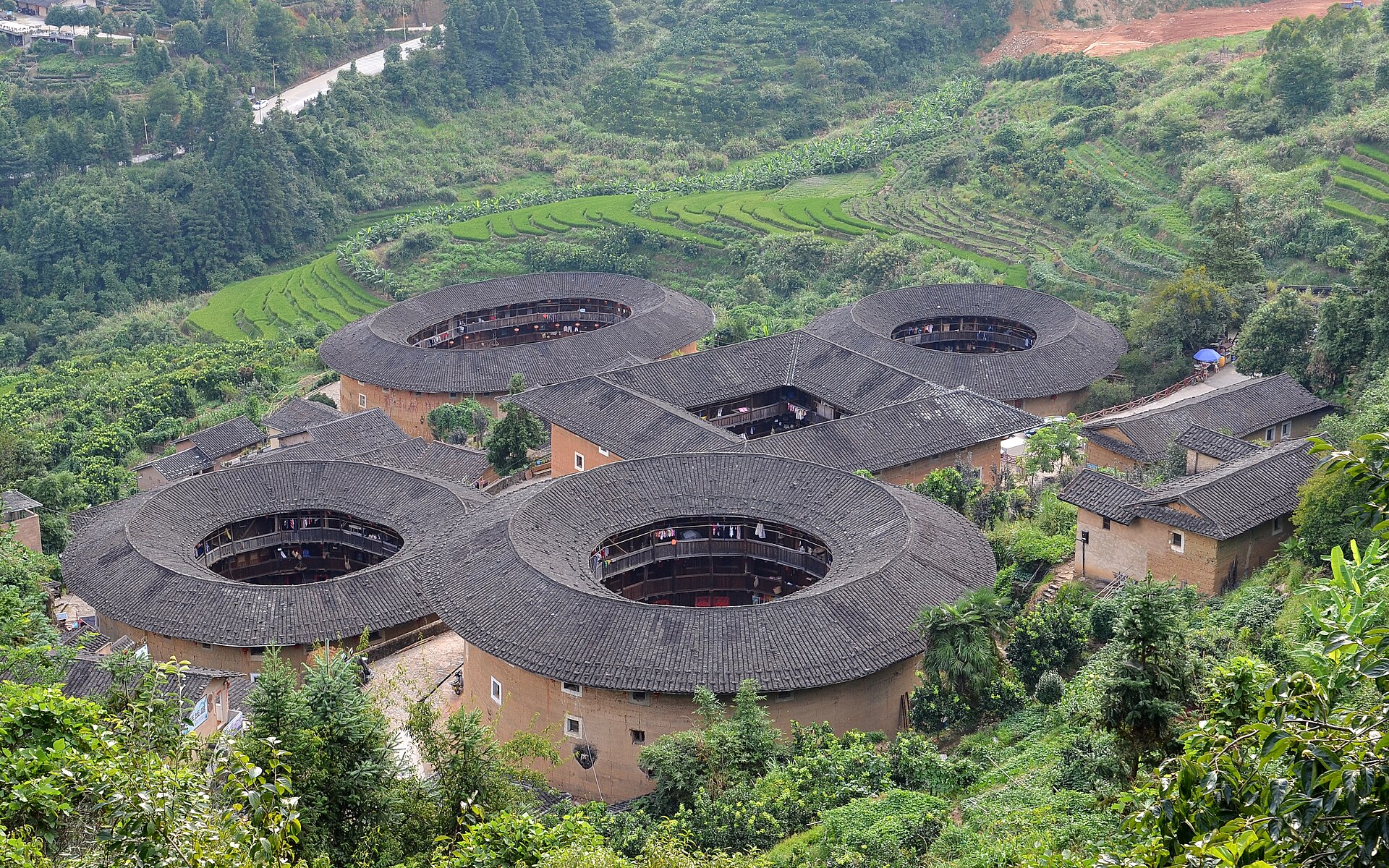
Use Xiamen as the transport gateway, then choose one Nanjing or Yongding cluster for two nights rather than attempting every round building on a day-tour circuit. UNESCO's Fujian Tulou property contains 46 nominated buildings across ten components and about 120 kilometres; Tianluokeng, Hongkeng, Gaobei and Chuxi are specific places, not interchangeable labels. Confirm which cluster, entrance and accommodation a booking actually uses.
The architecture is only half the reason to slow down. UNESCO describes the property as a tradition of communal living connected to farmed and forested landscapes. That makes privacy and conservation part of the visit. Ask before photographing residents, kitchens, ancestral areas or upper floors. Do not enter a staircase or room merely because another visitor does. An overnight stay should name the building and room conditions; “sleep in an ancient tulou” is too vague and may describe nearby new lodging.
A car with a driver is convenient between clusters, but walking within one village often reveals more than another hour on the road. Keep a rain plan and footwear for stone lanes. Choose this route for architecture and settlement history, not for an empty courtyard—the living and managed nature of the place is the point.
The useful spine is the G219 corridor north through the Nujiang valley toward Gongshan and Bingzhongluo. Yunnan's transport authority described the 286-kilometre Nujiang section in January 2026 as a maintained tourism road connecting the valley's towns and service points. That makes the region more reachable than old “end of the road” copy suggests, but not immune to rockfall, rain or temporary control.
Allow at least four nights from Lushui for the northern valley and more if returning to the same airport or rail connection. Break the drive in the valley, then give Bingzhongluo a full day for the First Bend and an authorised village or riverside route. Do not add the Bingzhongluo–Chawalong road merely because an app draws a line toward Tibet; border, vehicle, weather and road permissions require a separate current check.
Use viewpoints and public paths, not old images of ziplines or footbridges as evidence that an activity still operates. The valley is home, farmland and transport corridor as well as scenery. Ask before photographing people or religious sites and avoid assigning ethnicity from appearance. This route suits travellers comfortable with long road days and changing plans. If every hotel and flight is non-refundable, choose the more compact tulou route.
In southeast Guizhou, make Zhaoxing the base and Tang'an a separate half- or full-day decision. Zhaoxing has visitor infrastructure, ticket controls and organised performances; that does not make it “fake.” Tang'an is smaller, but it is not an unregulated authenticity exhibit. The road network connects the two, while the walking route and any shuttle still need a current local check.
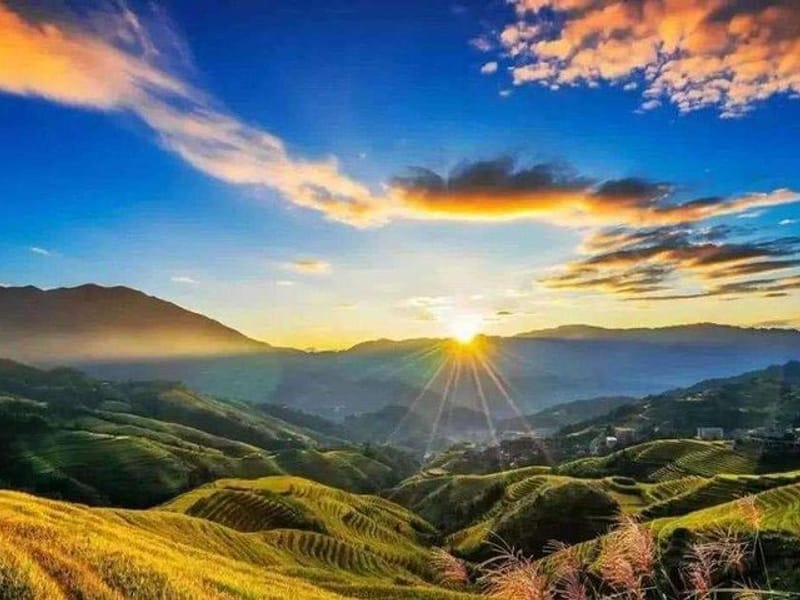
Stay two nights. Use the first evening to understand the public streets, drum towers and wind-and-rain bridges without racing between photo points. On the next day, walk only a marked, currently permitted section toward Tang'an or use a vehicle and walk locally. Rice terraces change with planting, harvest and weather, so do not promise green or gold fields on a fixed date. Festival costumes, grand songs and performances also require the exact public schedule.
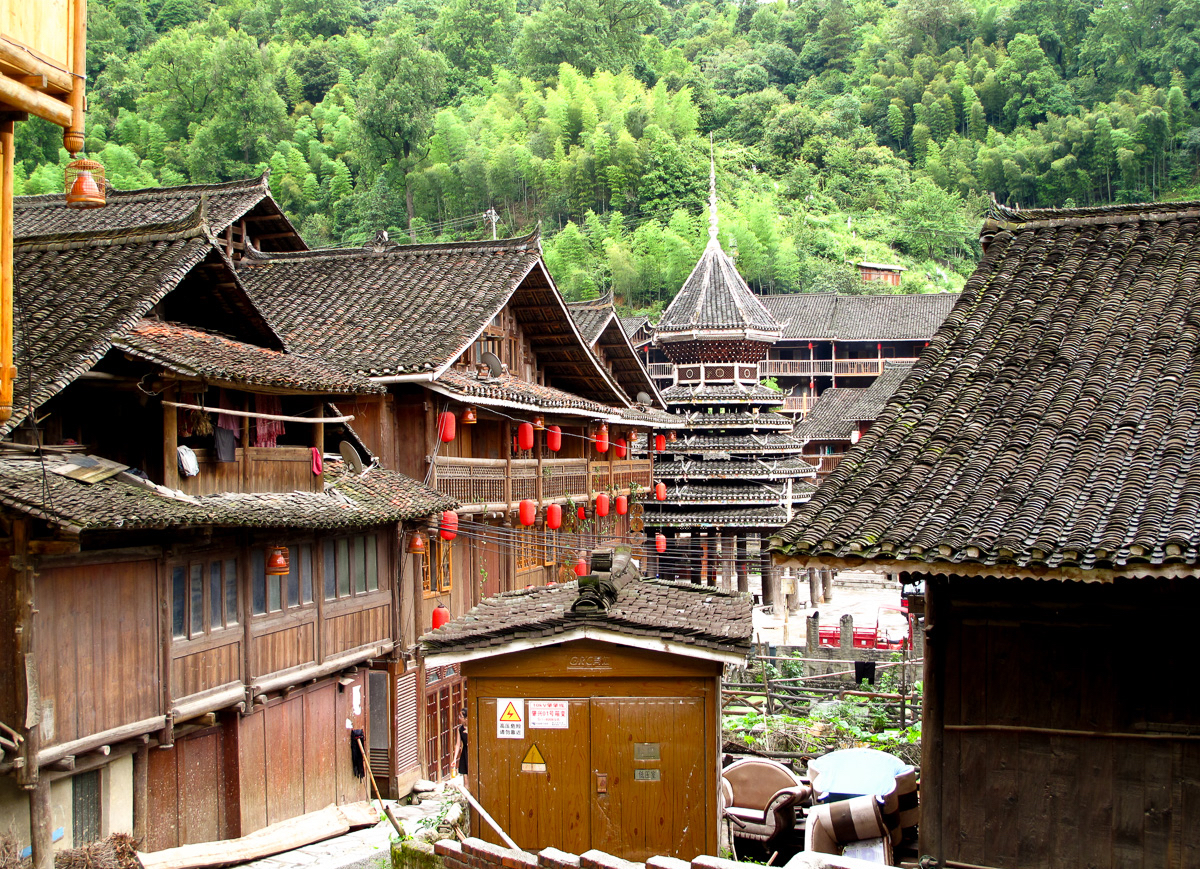
A local interpreter adds value when the brief is history, architecture and respectful conversation—not access to private homes or a staged “minority encounter.” Ask before photographing anyone, especially children, ceremonies and domestic work. Buy directly from a maker only after clarifying the object, price and whether photography is welcome. Choose this route for a slower settlement rhythm; choose Xijiang instead if the traveller wants a larger managed night-time attraction and accepts more commercial activity.
The Zuojiang Huashan Rock Art Cultural Landscape in Guangxi is not one painted cliff beside Guilin. UNESCO lists 38 rock-art sites along the Zuojiang and Mingjiang rivers in Ningming, Longzhou, Jiangzhou and Fusui. The figures are on steep protected cliffs within a larger karst, river and plateau landscape. Use Chongzuo or Ningming as the route base and verify the current public viewing method for the component you plan to see.
A boat or distant viewpoint may be the correct experience because conservation outranks close access. Do not leave the authorised route, touch the cliff or use a drone without explicit permission. Interpretation matters here: the images date broadly from the fifth century BCE to the second century CE and are understood in relation to Luoyue life and bronze-drum culture. Avoid inventing a single story for every figure.
Detian Transnational Waterfall can form another day in a wider Chongzuo trip, but it is a separate border attraction with its own ticket, water conditions and operating notice. A photograph from the Vietnamese side or a high-flow season does not establish the Chinese visitor route on another date. Allocate three or four nights if combining both places; otherwise the transport time overwhelms the slow-travel point.
Choose one route and put the buffer inside it: three nights for tulou, four to six for Nujiang, three for Zhaoxing–Tang'an, or three to four for Zuojiang and Detian. Long-haul rail or flight gets the traveller to a gateway; the last segment often needs a driver, scheduled bus or carefully confirmed transfer. Ask for the vehicle type, legal driver, daily hours and cancellation terms instead of assuming a private car solves every access issue.
Verify four things 48 hours before the regional departure: current road or boat operation, attraction entry, accommodation reception of foreign passports, and the weather warning. Keep hotel names and addresses in Chinese, offline maps, a charged power bank, emergency contacts and more than one payment method. Cash is a backup, not proof that a village rejects mobile payment. Do not enter a border road or protected trail because it appears on an overseas map.
Finally, define what the local guide is for. Good briefs include translation, heritage context, route monitoring and introductions made with consent. Bad briefs ask for “untouched tribes,” private ceremonies or unrestricted home access. Weather may remove a landscape and residents may decline a photograph. A deep trip earns its value through time and attention, not by claiming that nobody else has been there.
Book the Full-day Tour: Longji Rice Terraces & Minority Villages with real-time availability.
See tour & book Plan with AIPrivate & flexible · English-speaking guide · real-time online booking.
Tell our local experts what you'd like to see and we'll design a private, tailor-made itinerary with English-speaking guides — free plan & quote, no obligation.