Updated 2026 · 10 min · by NebulaTrip local experts
Do not use an old two-day itinerary to enter the Tiger Leaping Gorge High Trail in 2026. In a 10 February 2026 safety notice, the Shangri-La municipal government explicitly listed the High Trail, Middle Gorge and Lower Gorge among undeveloped or unopened protected-area routes where entry for hiking and other outdoor activity is prohibited without approval. That current legal boundary outranks the familiar blog route via the “28 Bends” and trail guesthouses. You can still plan a legitimate visit to the officially operating scenic area, but a responsible guide must begin with what is open now, not with a GPX track that used to be popular.
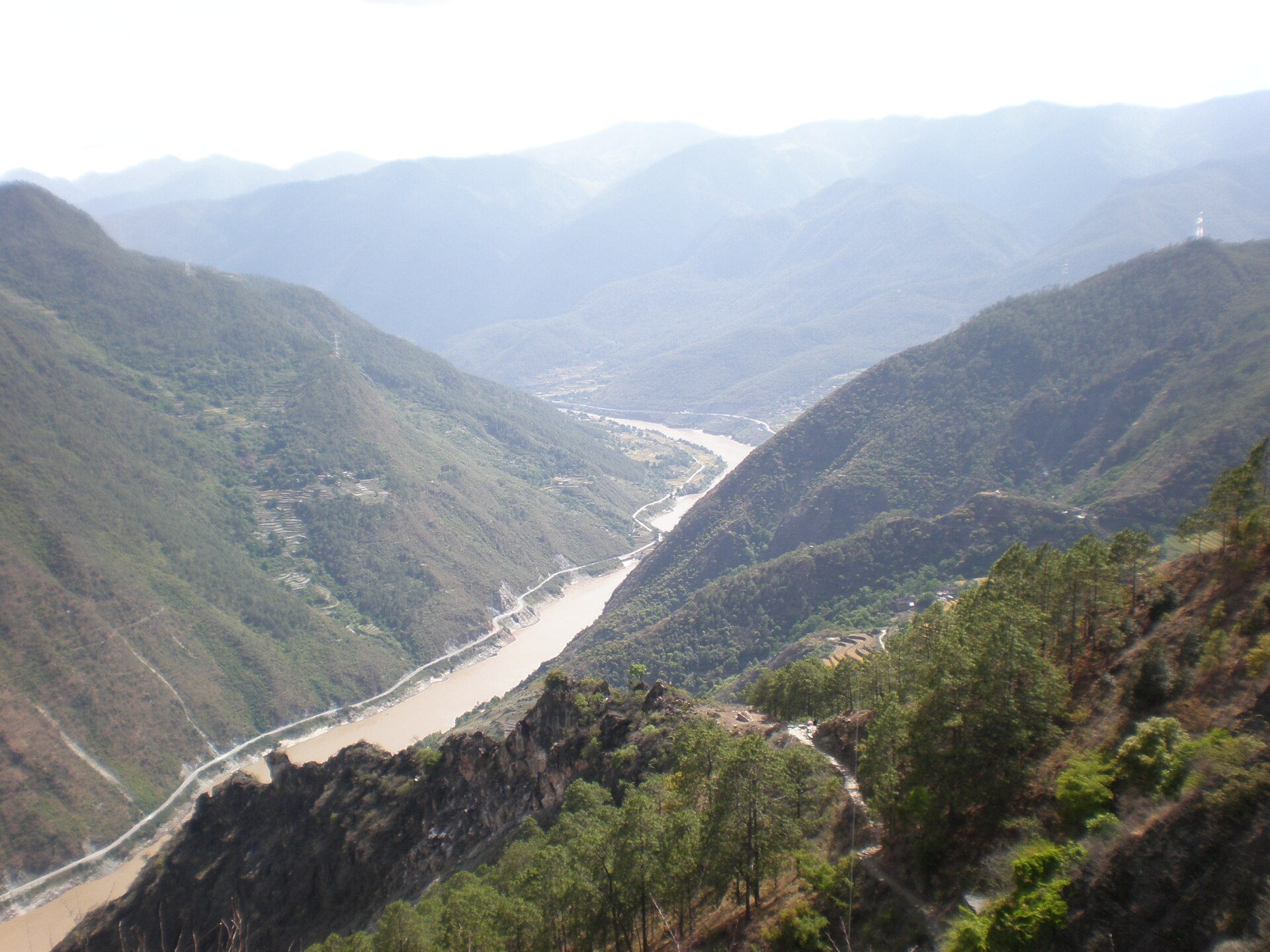
The government notice applies to the Haba Snow Mountain provincial nature reserve and names the Tiger Leaping Gorge High Trail directly. It also prohibits unauthorised entry into listed areas for hiking, mountaineering, exploration, camping and related activity. The distinction matters: a path visible on a map, accommodation advertising online or evidence that people have walked there does not make the route officially open.
As of the 29 July 2026 verification for this guide, no later primary-source notice was found that generally reopens the High Trail to independent trekkers. A March government meeting was still addressing standardised management and environmental rectification for the High Trail and Middle Gorge, while the municipal culture and tourism budget described routes such as Middle Gorge as being developed toward a regulated “quasi-white-list” framework. Development language is not an opening announcement.
Do not accept “locals are going,” “the gate is unattended,” or “the guesthouse said it is fine” as authority to bypass the restriction. A guide cannot legalise a prohibited route merely by accompanying you. The evidence needed is a current notice from the responsible government, reserve or scenic-area authority that identifies the route and permitted conditions.
Plan an official scenic-area visit centred on the open Upper Gorge facilities and designated viewing routes, subject to the latest ticket and access notice. This is a road-accessed canyon experience rather than a substitute two-day trek. It can still deliver the scale of the Jinsha River and the opposing Jade Dragon and Haba mountain walls without pretending a fenced viewpoint equals the High Trail.
Ask the authorised ticket channel or local tourism authority four direct questions: which gorge sector is open to ordinary visitors, which entrance your ticket covers, whether any walkway or viewing platform is temporarily closed, and how the return transport works. “Tiger Leaping Gorge ticket” can be too vague when unofficial itineraries mix upper, middle and lower sectors. Bring the original passport used for any real-name booking and follow on-site barriers even if an older map shows a continuation.
If hiking is the purpose of the trip rather than the canyon view itself, choose a route that the relevant authority currently lists as open and managed. Do not replace the High Trail with an unnamed “local path.” Northwest Yunnan has legitimate walking products, but each has its own land-management, weather, altitude and access rules. A licensed operator should identify the exact permitted route in writing before taking a deposit.
Older guides commonly describe a Qiaotou start, the 28 Bends, an overnight near the upper path and a descent toward the road, sometimes followed by a steep side trip to the Middle Gorge rapids. Those place names may still describe the landscape, but publishing them as a current executable route would erase the 2026 restriction. Guesthouse listings and trail markings also do not prove that the connecting protected-area path is authorised for tourists.
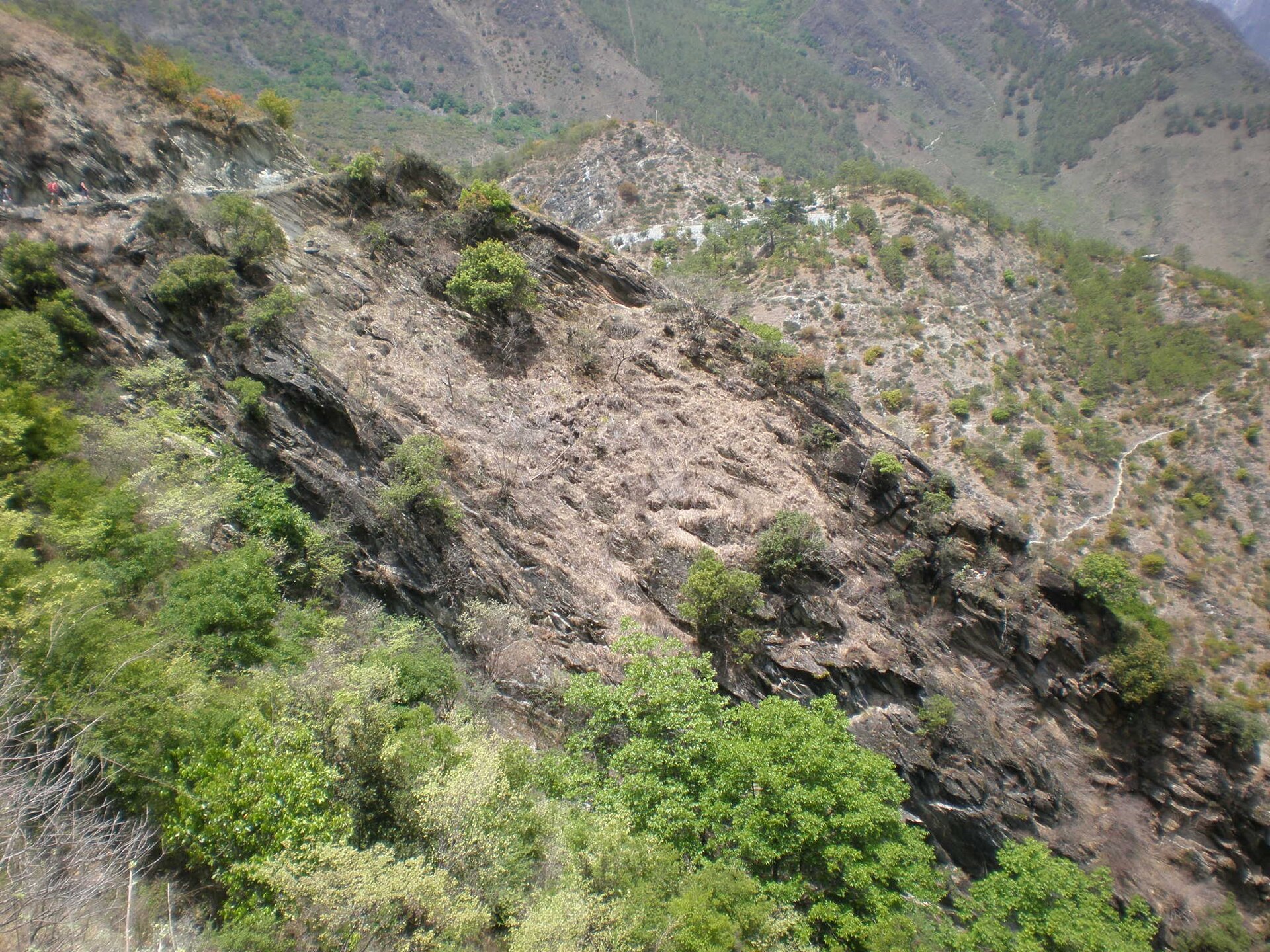
The practical information in an old account ages unevenly. A mountain profile may remain recognisable while entrances, checkpoints, road links, lodging operation, emergency coverage and environmental controls change. Even a recent traveller report is evidence of what one person did, not an official permission record. Downloaded maps can be useful for orientation on an open route; they are not opening notices.
Middle Gorge deserves particular caution. The same February notice includes undeveloped or unopened Middle and Lower Gorge areas, so the familiar steep descent toward the river cannot be presented as an optional add-on. River noise, wet rock, ladders or exposed paths would already require conservative judgement if access were legal. Under the current notice, the decision comes earlier: do not enter without explicit approval and an authorised operating arrangement.
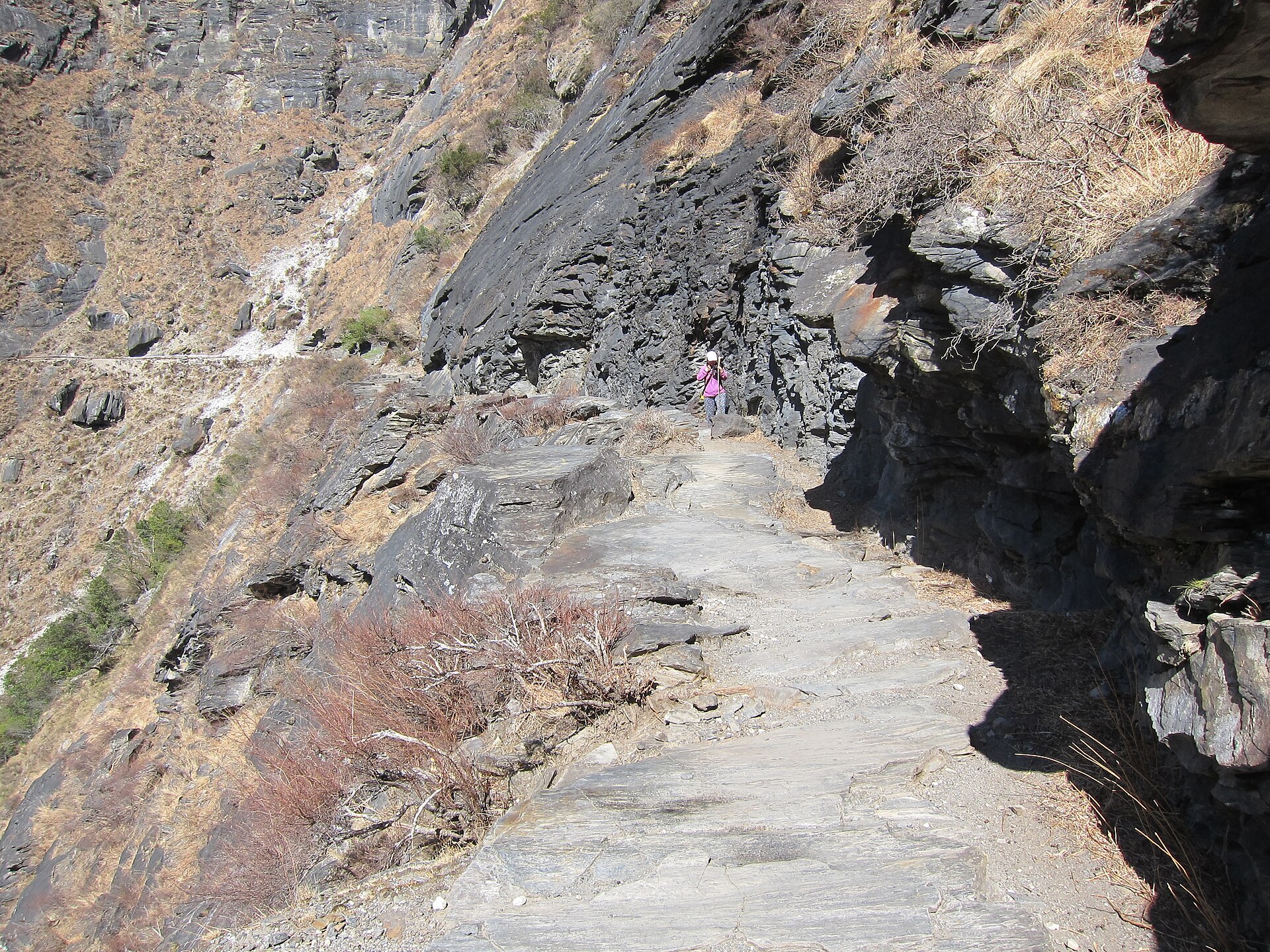
A future reopening should trigger a new plan, not reactivate this article's old route. Save the dated official notice and confirm its geographic scope: High Trail, Middle Gorge and the road-access scenic zone are not interchangeable. Check whether access is independent, guide-only, registered, seasonal or limited to named sections. Confirm the authorised entry and exit, emergency contacts, ticket or registration process, accommodation status and whether the operator carries appropriate responsibility for the activity.
Then assess the actual trail. Ask for current distance, ascent and descent, highest sleeping point, exposed sections, water sources and the longest interval without shelter. Those details should come from the authorised operator or current management, not from a copied “five to six hours” estimate. Match them against the slowest group member. A reopening would not turn an exposed mountain path into a guaranteed beginner hike.
Set weather cancellation and turnaround rules in writing. July 2026 municipal reporting documented heavy rain, falling rocks and a temporary road closure in Tiger Leaping Gorge town, illustrating how quickly transport risk can change during the main flood season. Check the road and trail separately. No sunrise, refund concern or onward hotel justifies entering after an official closure.
Use Lijiang or Shangri-La as the transport base according to the rest of the itinerary, and arrange a driver, official bus or licensed tour that names the operating scenic-area entrance. Do not ask to be dropped at an old High Trail access point. Store large luggage at a confirmed hotel or vehicle rather than relying on a trail guesthouse whose current role you have not verified. Carry the passport, rain and sun protection, warm layer, drinking water, charged phone and payment backup even for the developed viewing area.
A useful guide explains geology, local communities and the difference between the managed visitor zone and restricted reserve routes. They check notices, refuse unsafe detours and have a clear return plan. A poor guide uses their local identity as a substitute for permission, promises to bypass controls or pressures visitors down an unapproved path. Ask for the operator's licence, the day's exact route and cancellation terms.
The honest 2026 choice is straightforward: visit the legally open scenic area, or choose a different authorised hike. Keep the High Trail on a future list until the competent authority publishes a clear reopening framework. That may feel less adventurous than following an old track, but it respects both personal safety and a protected landscape undergoing active environmental and operational rectification.
Book the Tiger Leaping Gorge High Trail Trek with real-time availability.
See tour & book Plan with AIPrivate & flexible · English-speaking guide · real-time online booking.



Tell our local experts what you'd like to see and we'll design a private, tailor-made itinerary with English-speaking guides — free plan & quote, no obligation.