Updated 2026 · 10 min · by NebulaTrip local experts
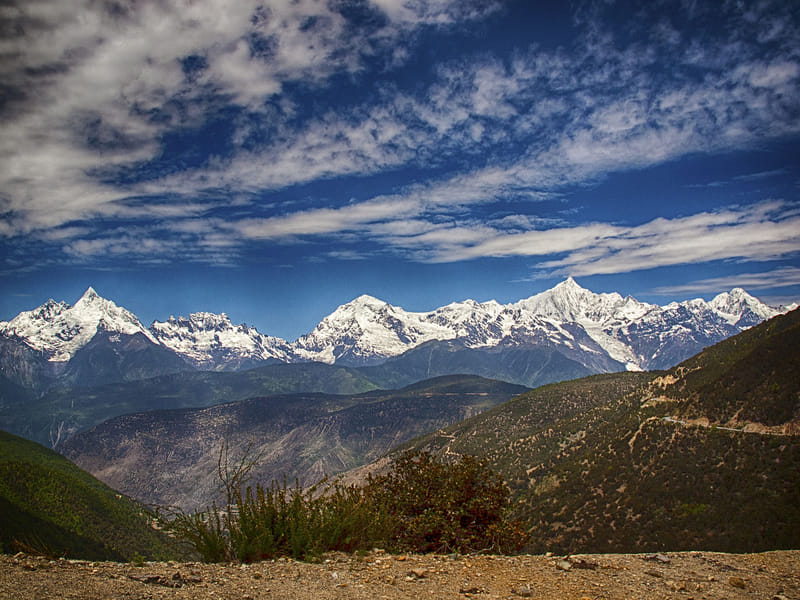
Yubeng does not need the usual “hidden paradise” sales pitch. Upper and Lower Yubeng are lived-in Tibetan villages inside a managed mountain scenic area, below the 6,740-metre Kawagarbo in the Meili Snow Mountains. The established trek is not technical mountaineering, but official route information puts it across roughly 2,023 to 4,350 metres. That combination—developed trail, real altitude—is what catches people out. Come for the Ice Lake, Sacred Waterfall and the pilgrimage landscape; plan for several sustained walking days, uncertain mountain weather and the possibility that access changes at short notice.
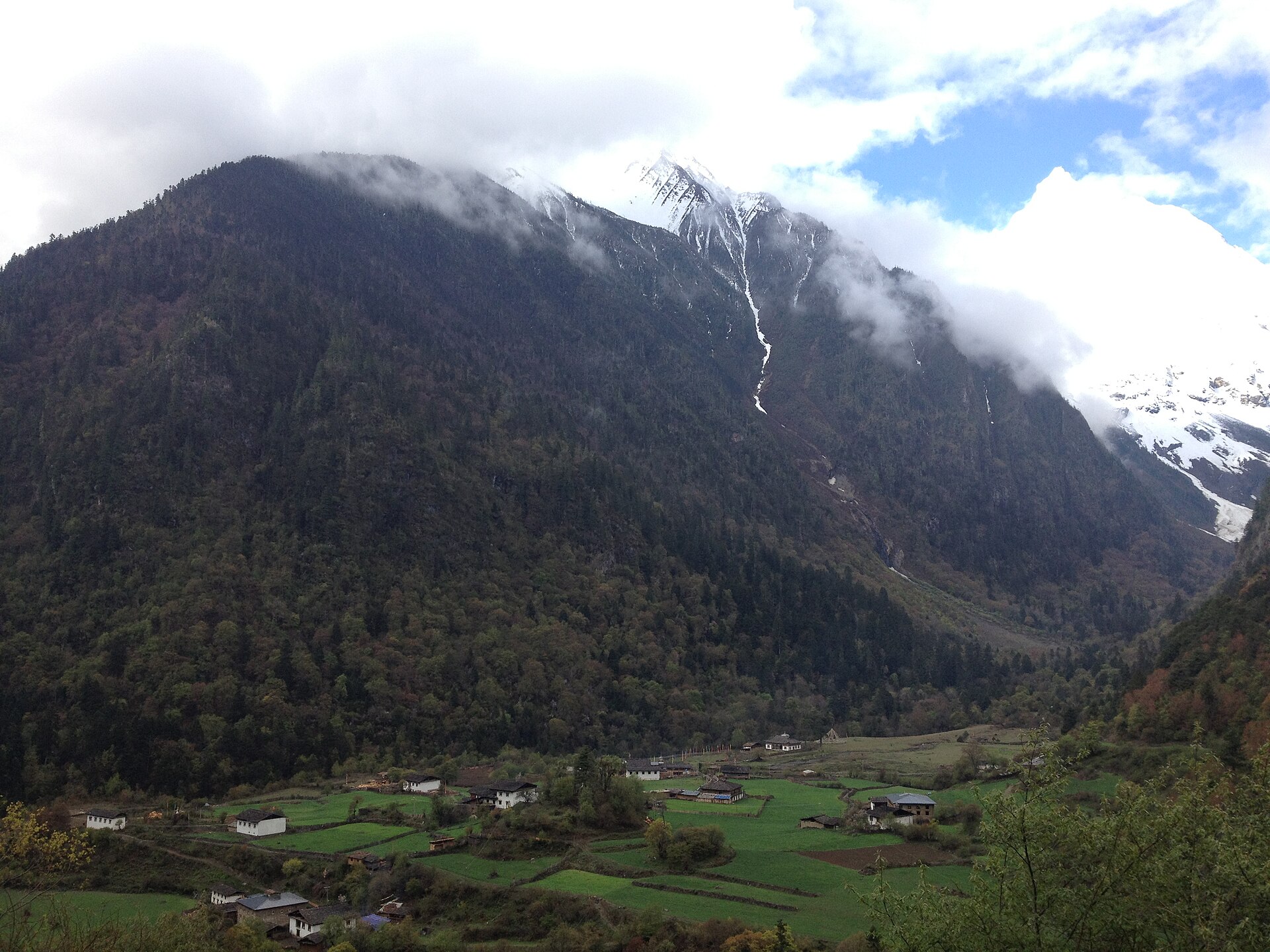
Shangri-La is the usual staging point, followed by the mountain road toward Deqin and Feilai Si, then a transfer toward the managed entrance around Xidang. Feilai Si is worth considering as a staging night, not because sunrise on Kawagarbo is guaranteed—it is not—but because an unhurried schedule is kinder than arriving from low altitude and immediately starting a hard climb.
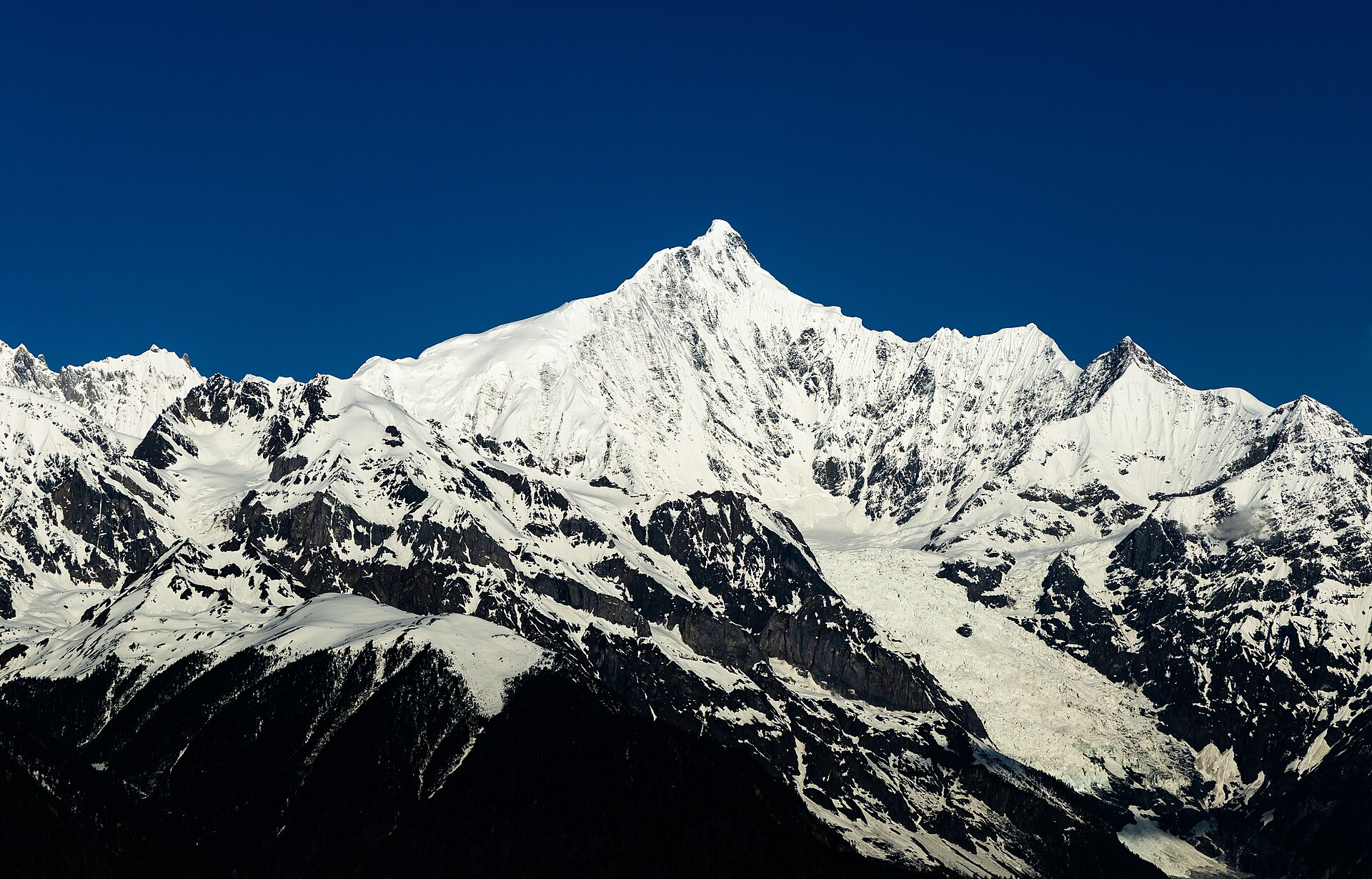
Do not build the trip from an old GPX track alone. The historic walking approach crosses from Xidang over the Nanzong (Nazong) La area toward Upper Yubeng, while managed vehicle access and official entry arrangements have changed how many visitors enter. Local authorities were still working on access and village infrastructure in 2026. Before leaving Shangri-La, confirm the current visitor centre, ticket or registration process, which approach and exit paths are open, the last vehicle time if you intend to use one, and whether weather has caused a temporary closure. An old blog can describe the landscape perfectly and still give unusable transport instructions.
The provincial route reference describes Yubeng as a mature 3–4 day trek of about 50 kilometres, but that headline hides several choices. Distances change with the current access point, whether you walk the old approach, and which village you use as a base.
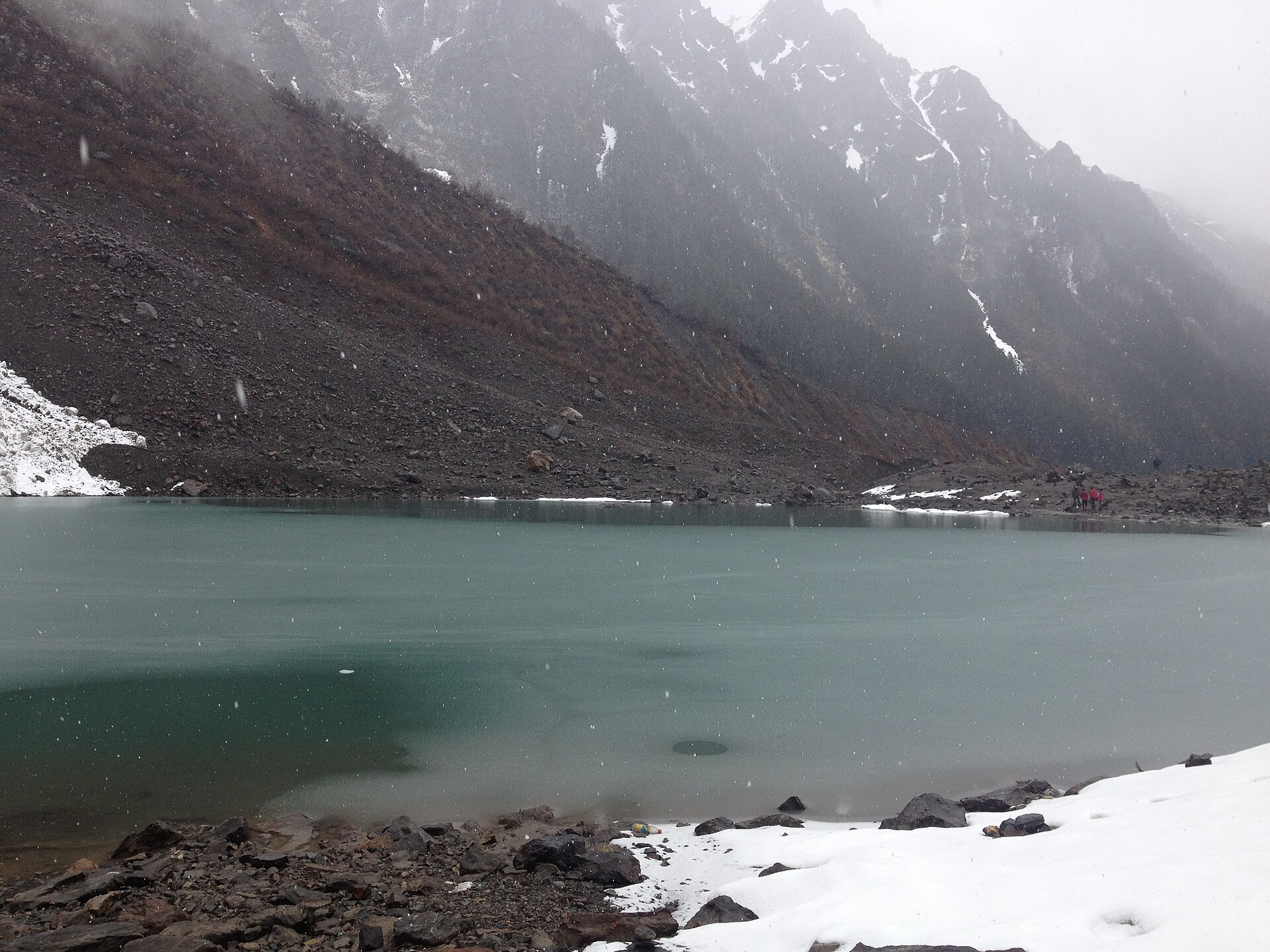
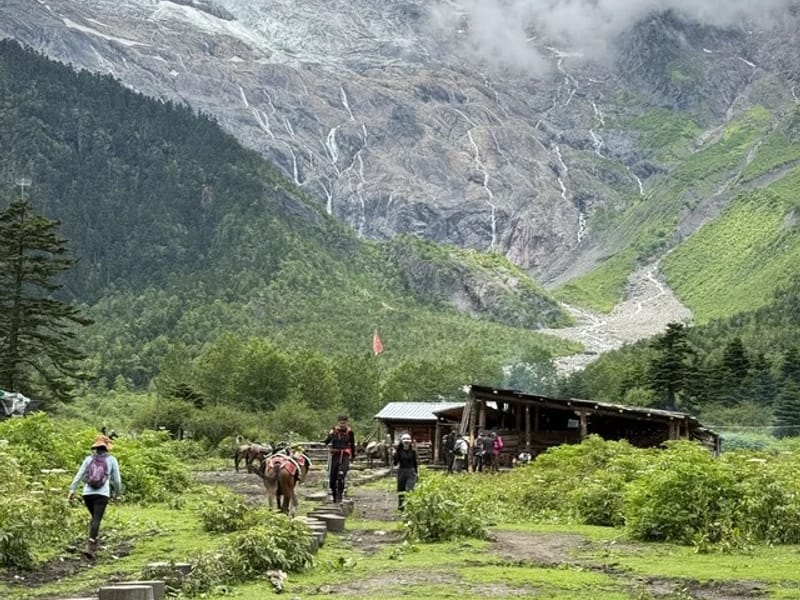
Upper Yubeng → Ice Lake: this is normally the harder day. The route climbs through forest toward Xiaonong base-camp country and on to the lake on rougher, higher ground. Expect a full out-and-back rather than a short scenic stroll. The sensible turnaround time is decided before the day starts; cloud, rain or slow acclimatisation are reasons to turn early, not problems to solve after dark.
Lower Yubeng → Sacred Waterfall: this is also a substantial out-and-back, commonly described at roughly 10–14 kilometres depending on the start point and measurement. The destination is part of a living Tibetan pilgrimage landscape. Walk the open route, give pilgrims space, and follow on-site safety instructions rather than copying poses beneath falling water or unstable snow.
Entry and exit days: the Xidang–Nanzong La approach and the Ninong direction appear in the established route, but neither should be assumed open on the strength of a downloaded map. A three-day plan normally means choosing one headline day hike or compressing transfers. For most first-time visitors who want both Ice Lake and Sacred Waterfall, four trekking/transfer days plus an acclimatisation night and a weather buffer is the more honest shape.
Fitness helps with the climbing; it does not protect you from altitude illness. Shangri-La is already around 3,200 metres, and the published Yubeng route range reaches above 4,000 metres. Someone arriving from sea level may feel the change before the trek starts. A staged schedule, light activity on arrival and a slower first walking day are more useful than pretending one good night's sleep completes acclimatisation.
A headache after ascent together with nausea, dizziness or unusual fatigue can indicate acute mountain sickness. Do not continue higher while symptoms persist. If symptoms worsen at the same elevation, descend and seek help. Confusion, loss of coordination or breathlessness at rest are emergency signs, not a test of determination. The CDC's high-altitude guidance is a useful pre-trip read; anyone with relevant heart or lung disease, a previous serious altitude reaction, or other medical concern should discuss the itinerary with a clinician.
On ordinary trail days, you still need the less dramatic basics: broken-in footwear, trekking poles for long descents, a waterproof shell, warm layer, sun protection, headlamp, offline map, power bank, normal hydration and enough food for a delayed return. If sustained uphill walking for several hours already strains you at low altitude, add time or choose one day hike rather than betting the trip on willpower.
The clearest planning windows are May–June and September–October, the seasons identified in the provincial trekking-route guidance. May can bring rhododendrons; early autumn can bring sharper views and changing forest colour. Neither guarantees flowers, gold leaves or a clear Kawagarbo sunrise on your dates.
Summer rain is a practical risk rather than a reason for romantic mist. It can make earth and stone trails slick, raise streams, damage roads and trigger temporary scenic-area closures. Winter has the opposite problem: snow and ice can close walking routes, and a beautiful forecast at Feilai Si does not prove the path above Yubeng is safe. The scenic area has closed for snow and ice before, including in late February 2025.
Check the official opening notice and local weather immediately before entry, then ask again at the village before each day hike. A buffer day is useful for transport disruption and for giving the body time at altitude; it is not a reason to pressure staff into opening a closed trail. Avoid a non-refundable flight or long-distance train on the same evening you expect to exit the mountains.
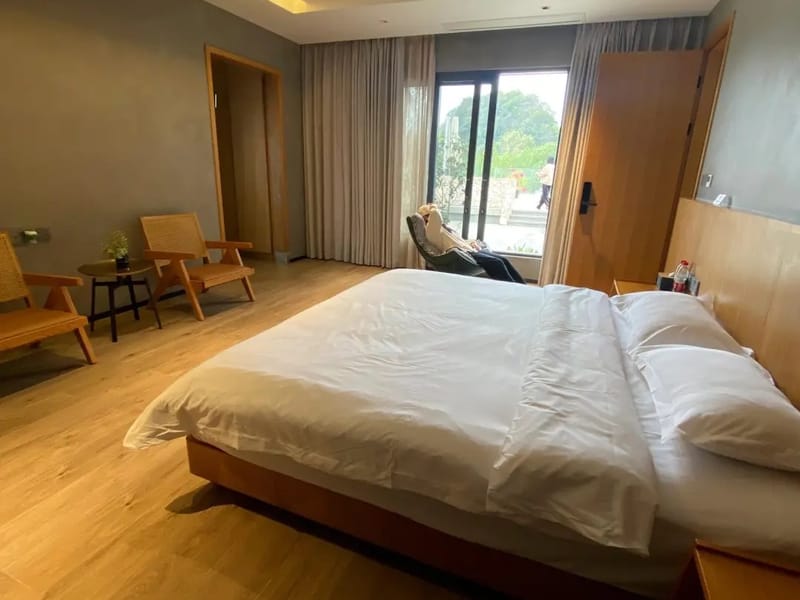
Yubeng is a village stay, not a camping expedition. Accommodation in Upper and Lower Yubeng now varies, so “basic room and patchy electricity” is no longer a fair description of every property. Choose the village for the next day's route, confirm heating, hot water and luggage arrangements directly, and book early in the main trekking windows. Bring your passport for managed entry. Ticket, vehicle and entrance arrangements can change; record the current official details rather than publishing a price that may be wrong next month.
Mobile payment is common in China, but a mountain trip needs a fallback: carry some cash, a charged power bank, an offline copy of bookings and the accommodation's phone number. Do not treat a phone signal as the emergency plan.
The developed main routes can suit experienced independent hikers when they are officially open. A guide becomes good value if this is your first trip above 3,000 metres, you do not read Chinese notices, your schedule depends on several transfers, or conditions are unsettled. Their useful job is to organise transport and current access, set conservative turnaround times, notice when the group is deteriorating and explain the pilgrimage setting—not to promise a sunrise, diagnose illness or lead clients around a closure. Guided or not, stay on open routes, do not touch prayer flags or religious structures, and ask before photographing people engaged in worship.
Book the 3-Day Yubeng Village Trek from Shangri-La with Local Guide with real-time availability.
See tour & book Plan with AIPrivate & flexible · English-speaking guide · real-time online booking.
Tell our local experts what you'd like to see and we'll design a private, tailor-made itinerary with English-speaking guides — free plan & quote, no obligation.