Updated 2026 · 8 min · by NebulaTrip local experts
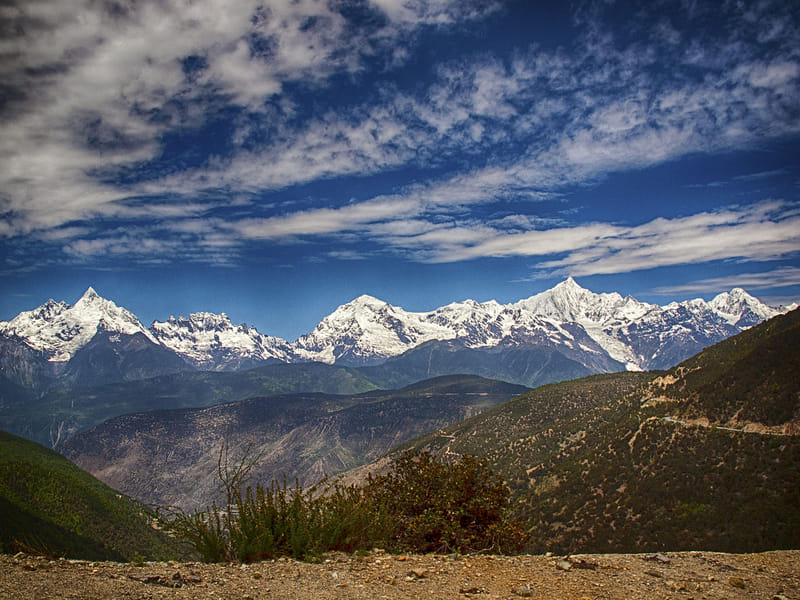
The G318 from Chengdu to Lhasa is worth doing for the transition: Sichuan basin, Kangding's mountain gateway, the high country around Litang, river gorges, the forests near Bomi and the broader valleys around Nyingchi. It is not worth doing as a nine-day race to collect pass signs. For a first overland journey, plan about 12–14 days plus a weather buffer, shorten the day when altitude or road control demands it, and decide before booking whether the visitor will drive or ride with a professional driver.
Foreign-passport travellers face two separate legal questions. Driving a rented mainland vehicle requires a valid Chinese driving licence or temporary motor vehicle driving permit; a foreign licence or IDP alone is not sufficient. Entering the Tibet Autonomous Region for tourism requires the current organised-tour and approval process. A convoy does not merge those requirements into one permission. The good version of this trip makes the documents, sleeping elevations and fallback days visible before anyone pays a deposit.
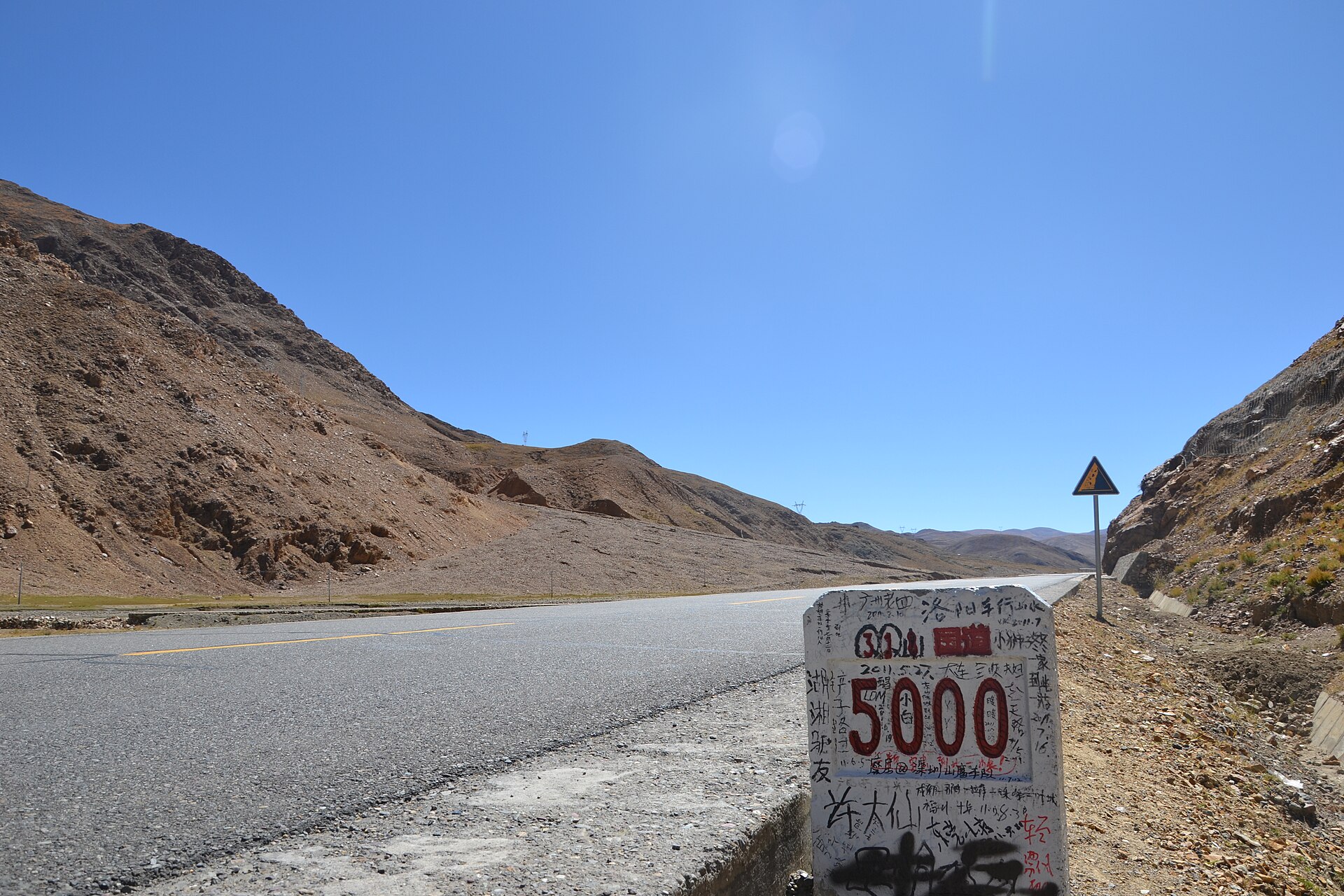
Block one is Chengdu to western Sichuan. Use Chengdu for permits and vehicle checks, then treat Kangding as a transition rather than a lunch stop. Continue through the Litang–Batang corridor only when the group is sleeping, eating and thinking normally. A rest or shorter day here is more valuable than reaching an impressive marker after dark.
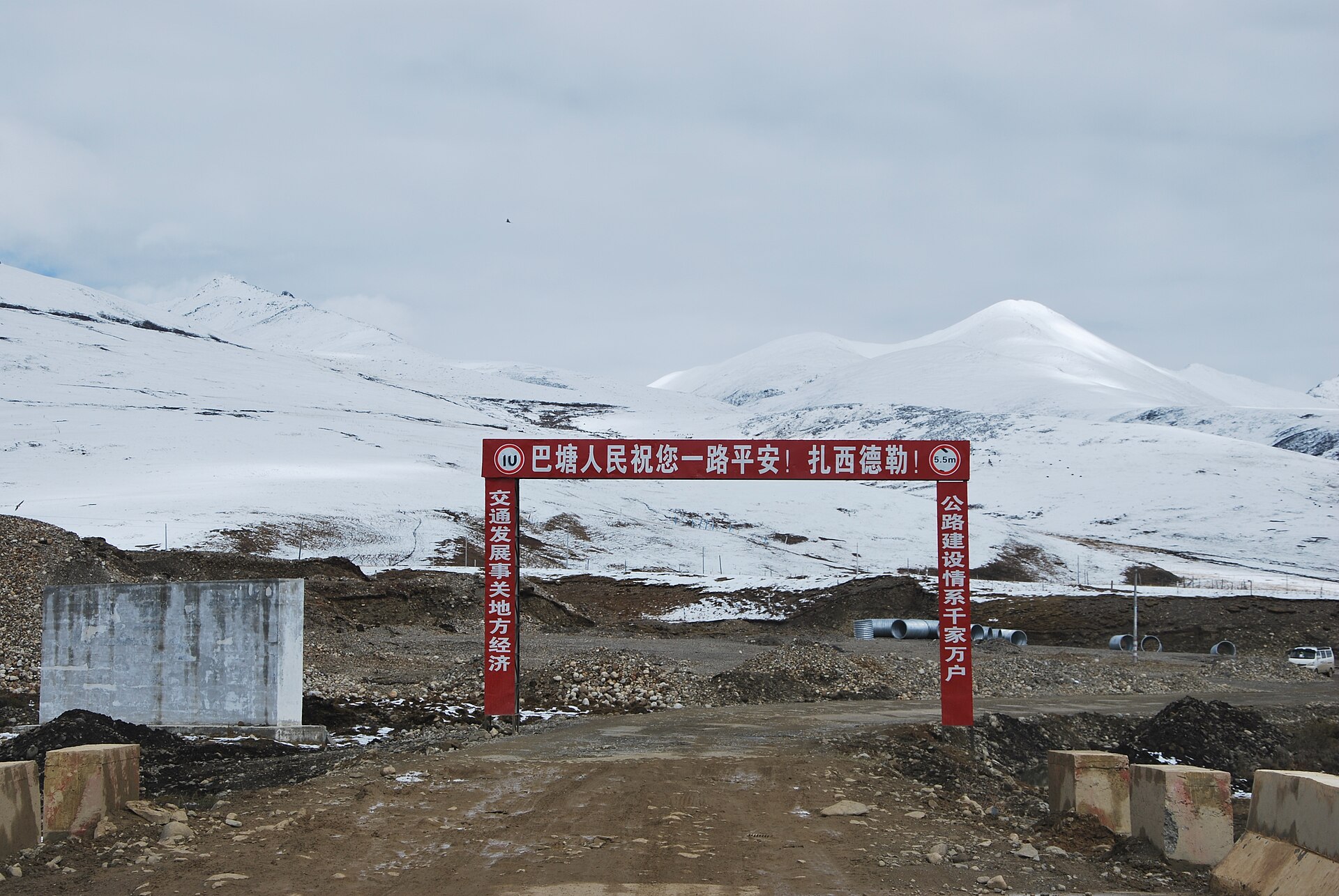
Block two is the eastern Tibet road. After the Jinsha River crossing, the route commonly uses Markam, Zogang, Baxoi, Ranwu and Bomi. These names are planning anchors, not a promise that every old pass, viewpoint or town-centre road remains on the current alignment. Tunnels, repairs and traffic controls change the actual drive. Keep one completely unassigned day before Nyingchi rather than hiding every delay inside a late arrival.
Block three is Nyingchi to Lhasa. This is not permission to accelerate. Use the more settled corridor for recovery, an extra night or a weather fallback, then finish in Lhasa under the agreed itinerary. Peach blossom, golden forest and a clear Potala view are seasonal possibilities, not components that an operator can guarantee. The route is successful if everyone arrives well and legally, even when a photographed pass or detour is omitted.
The road crosses very high terrain, but a list of pass elevations is a poor acclimatisation plan. Bodies respond to the elevation where people spend hours and sleep, the rate of gain and individual susceptibility. Fitness does not provide immunity. The CDC advises gradual acclimatisation and says travellers with altitude symptoms should not go higher; worsening illness requires descent and medical help.
Record the planned sleeping town and approximate elevation for every night. The schedule should include an early plateau night that can be repeated, a lower alternative where possible and a driver who can change the day without losing an essential permit booking. New headache, nausea, dizziness or unusual fatigue means stop ascending and reassess. Confusion, trouble walking, severe breathlessness at rest or a persistent cough is an emergency—not a reason to open the window and continue to the next hotel.
Bottled oxygen and a pulse oximeter can support an assessment, but neither proves that continued ascent is safe. Ask a travel-medicine clinician about personal risks and medicine before departure. Also plan ordinary needs: hydration, food, warm layers and sleep. Long photo stops in wind and cold can exhaust a group before the driving stage is finished.
G318 is an operating highway, not a preserved scenic route. In 2026 the Tibet transport authority was still procuring equipment for improvement work around Ranwu, while a separate notice concerned repair of a collapsed roadbed near Tongmai. Those records do not mean the full road is closed; they prove that a glossy stage map cannot establish the condition of a particular kilometre on a future date.
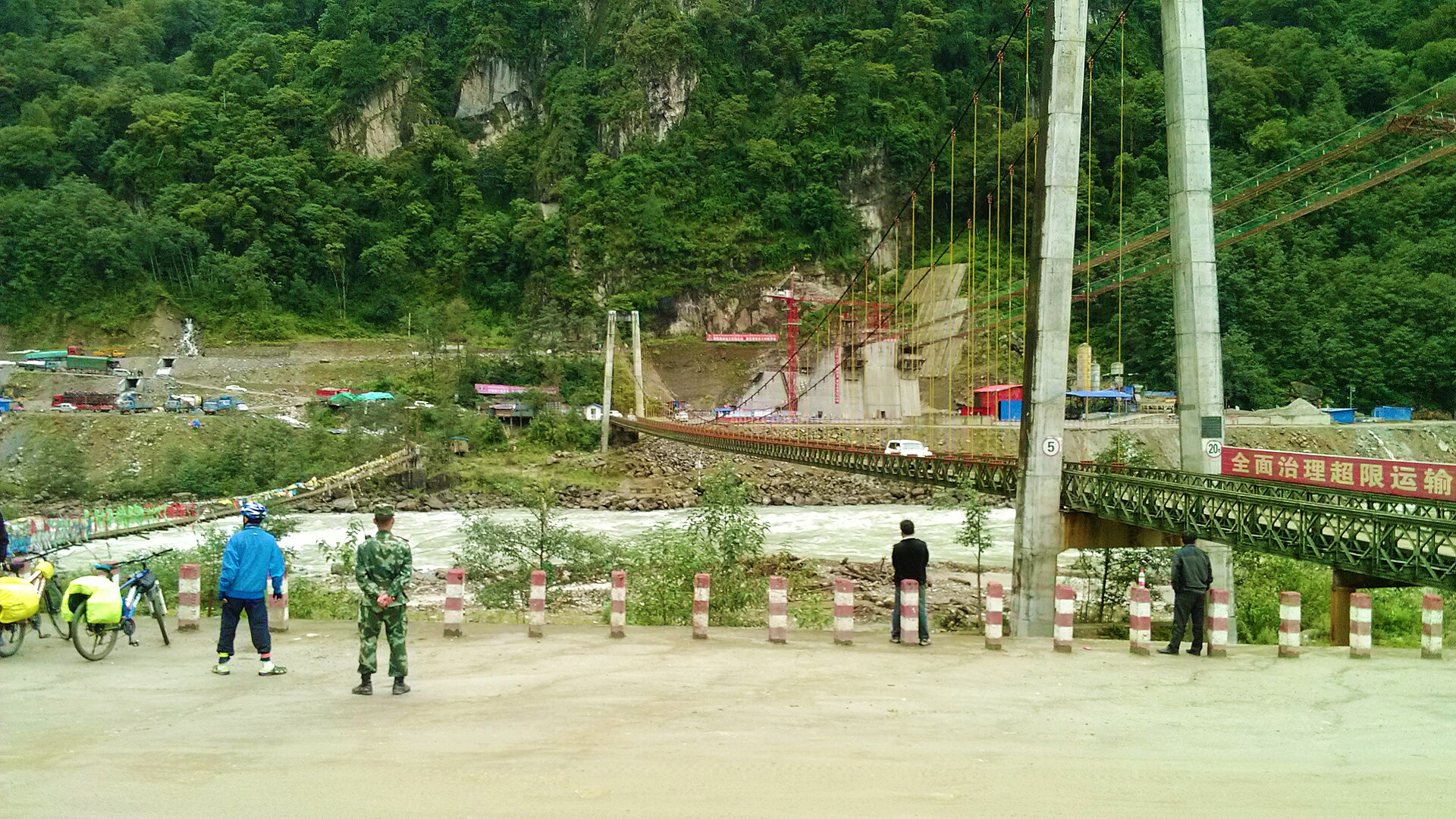
Before each departure, check the current traffic-police and transport notices for both the day's origin and destination. Confirm whether a closure is full or timed, whether a queue permits tourist vehicles, and whether the alternative remains inside the approved itinerary. Never follow an app onto an unverified mountain shortcut to save a delayed day. In rain, rockfall and debris-flow risk can continue after the heaviest shower has stopped; in cold periods, ice can persist in shaded sections.
Keep daylight margin, fuel or charge reserve, food, water and a communication plan. The driver should know who is called after a breakdown and which roadside assistance actually covers the Tibetan segment. Historical photographs of the “72 bends,” old pass roads or rough surfaces explain the route's past; they do not prove that those alignments are the current road or that stopping there is safe.
Late spring and early autumn are sensible starting points because they can avoid the deepest winter cold and the centre of the summer rain period. They still carry trade-offs. Spring can leave snow or ice at elevation, and blossom timing around Nyingchi varies by place and year. Autumn can bring cold nights, holiday demand and an early snow event. Neither window guarantees an open pass, dry road or clear mountain.
Summer offers longer daylight and greener valleys but demands the largest landslide and timetable buffer. Winter requires specialist cold-weather preparation, confirmation of every stage and acceptance that a road or attraction may close. A calendar label is weaker than the three-day forecast and the latest traffic notice.
Avoid building the route through China's National Day holiday from October 1 to 7 in 2026 if dates are flexible. If that week is unavoidable, secure the agency itinerary, rooms and vehicle early, reduce daily ambition and keep the buffer outside the fixed booking chain. Whatever the month, hold at least one flexible night before an onward flight or train from Lhasa. A “best season” that collapses after one delayed road block is not a good plan.
For a foreign passport holder, the full Chengdu–Lhasa route should be contracted with an agency eligible to arrange the current Tibet tourism approval and organised itinerary. Ask for the legal company name, business licence and written route. The agency should explain which documents are needed, who holds originals during the trip, which roads and stops are approved, and what happens if weather forces a change. Do not rely on a fixed “permit takes X days” claim without a current case check.
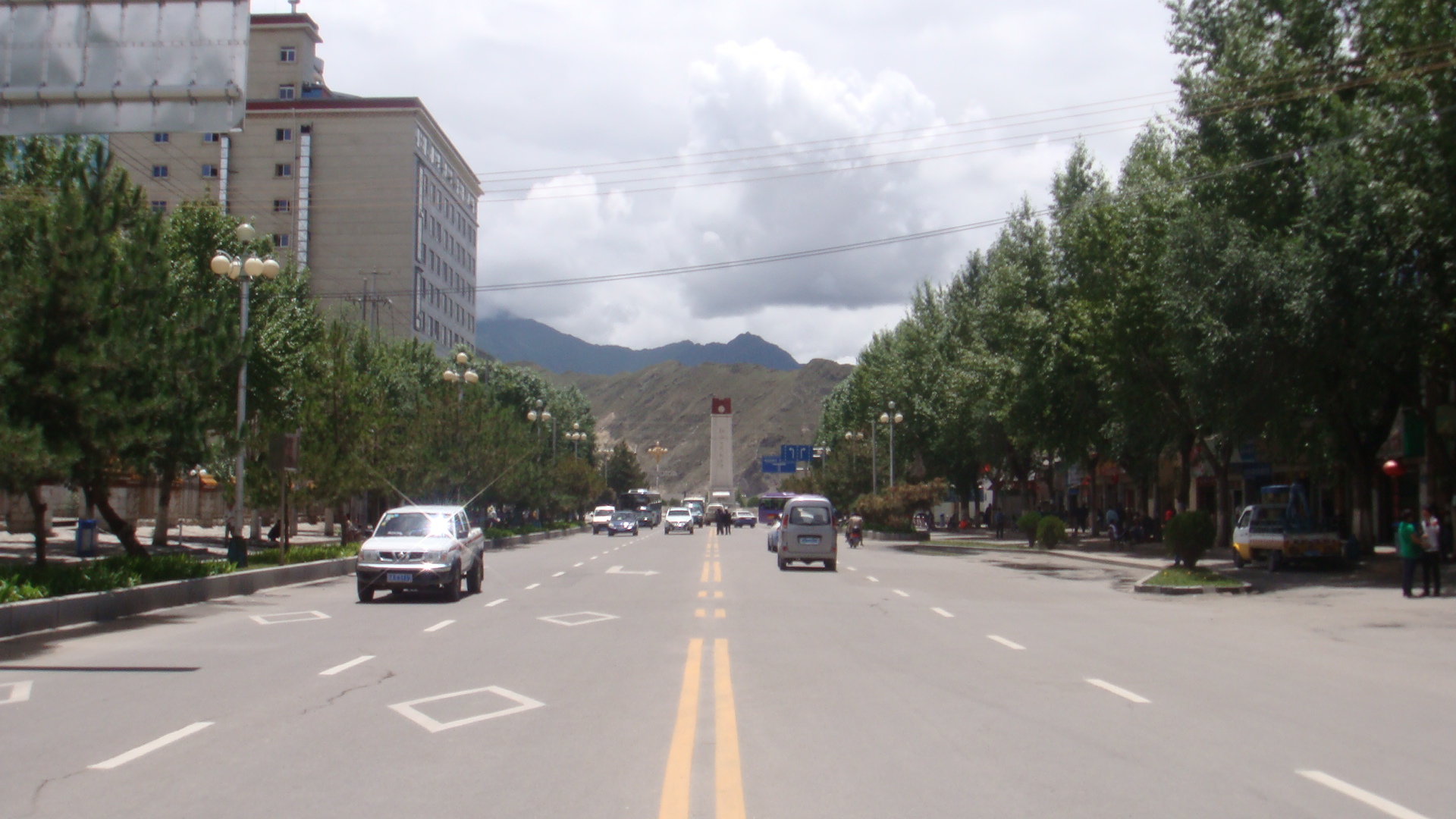
If the visitor will drive, obtain the correct Chinese temporary permit or full licence and written rental/insurance acceptance for every named driver. A lead vehicle, guide or convoy is useful operational support; it does not allow someone with only a foreign licence or IDP to drive. If the operator cannot identify the legal basis for the driver and vehicle in writing, choose the chauffeured version.
Compare quotes by more than vehicle model: driver hours, guide language, single rooms, oxygen and medical plan, fuel, tolls, route-change costs, cancellation after a permit or road failure, and the number of genuinely flexible days. The best format is the one with a lawful driver, a transparent Tibet arrangement and enough time to turn around safely.
Book the Sichuan-Tibet Highway G318 Self-Drive (Chengdu to Lhasa) with real-time availability.
See tour & book Plan with AIPrivate & flexible · English-speaking guide · real-time online booking.
Tell our local experts what you'd like to see and we'll design a private, tailor-made itinerary with English-speaking guides — free plan & quote, no obligation.