Updated 2026 · 12 min · by NebulaTrip local experts
For a foreign visitor, Tibet is not a destination to assemble from separate hotel, driver and attraction bookings. Confirm an eligible organized tour and the required approval before buying non-refundable transport; then let altitude, not a long sightseeing list, set the first two days. Four days is a responsible Lhasa core. A Yamdrok and Shigatse route needs longer, and a north-side Everest journey should be an eight-day-scale decision with route-specific approvals and weather margin.
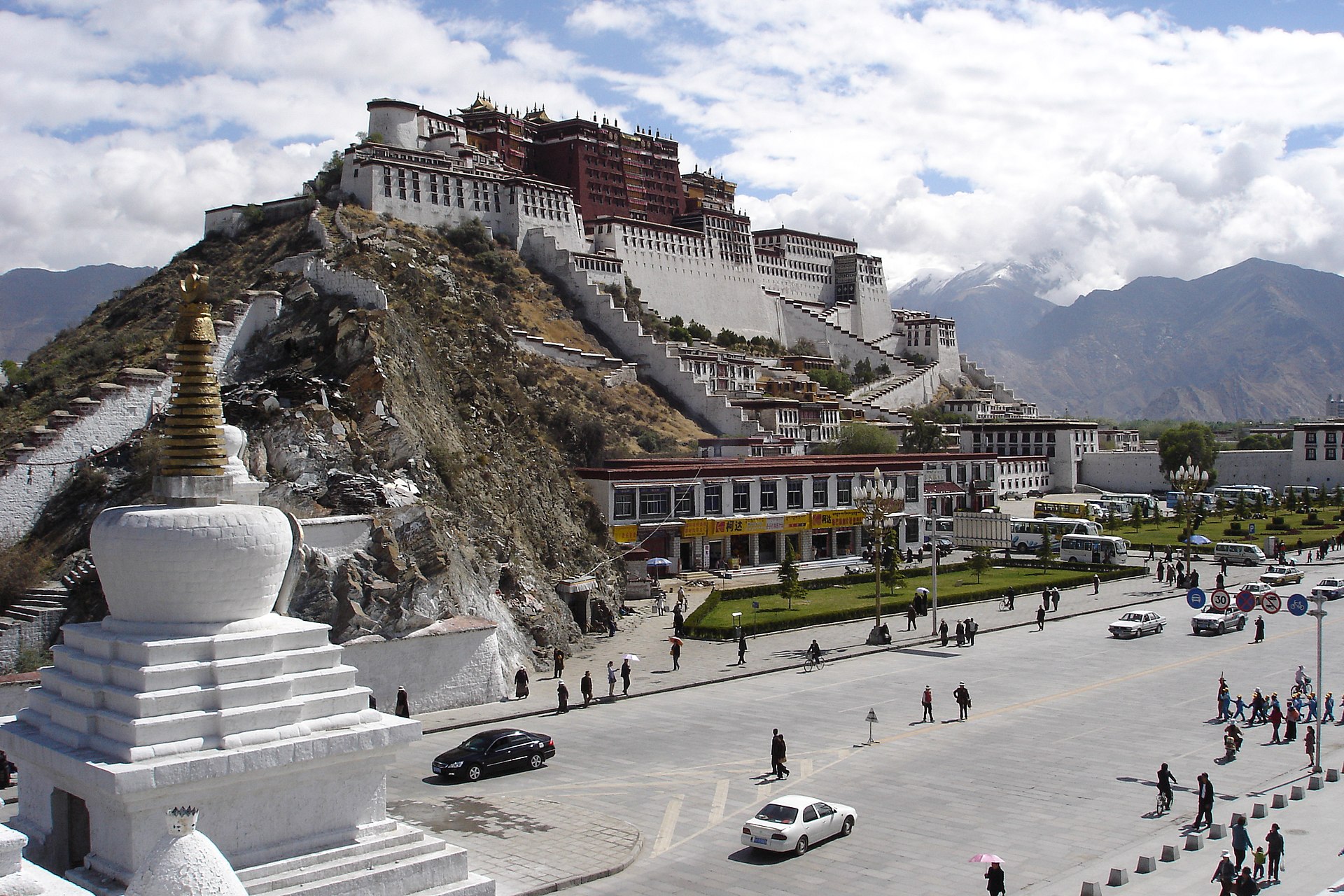
Current government guidance continues to route foreign tourists through organized travel arranged by an authorized agency, with an entry approval commonly called the Tibet Travel Permit in addition to the appropriate Chinese visa or entry status. The traveller does not submit a casual individual application at the airport. The agency collects the required passport, visa and itinerary information and handles the approval with the responsible authorities.
Do not treat an online “permit included” badge as sufficient. Verify the agency's registered name and travel-service qualification, ask which document is required for the train or flight, and obtain the approval handoff instructions in writing. Processing lead time is not a universal two-week guarantee; nationality, visa type, occupation, route, season and administrative review can change it. Apply early and keep international and domestic bookings changeable until the operator confirms the critical step.
Travel beyond Lhasa can require additional route or border-area permissions and an approved vehicle and guide arrangement. Let the operator name the documents for Yamdrok, Shigatse, Everest or Kailash rather than copying a permit list from an old blog. A 2026 foreign self-drive group entering through Zhangmu was still a pre-coordinated organized group; it is not evidence that a tourist can rent a car and travel independently.
Lhasa is around 3,650–3,700 metres, high enough that an unacclimatized arrival can develop acute mountain sickness. Day 1 should mean hotel check-in, food, fluids and a short level walk only if the traveller feels well. Day 2 can introduce a timed city sight without stacking steep stairs and distant monasteries. Fitness does not protect against altitude illness, so an athletic itinerary is not automatically safer.
A four-day core gives two measured sightseeing days plus arrival and departure margin. Six days can add Yamdrok and Shigatse without treating every drive as a photo stop. Eight or more can reach the Everest visitor route and return, but only if sleeping-height gains and the operator's approved program are responsible. Namtso is not a simple substitute for Yamdrok: it is a different, higher direction with its own road and altitude calculation.
Taking the plateau train can be a memorable journey, but it does not guarantee acclimatization. Much of the climb occurs quickly and passengers still arrive at high sleeping altitude. Flying is faster, not “easier on the body” by default. Discuss the ascent profile and preventive medication with a clinician before travel, especially with heart, lung, sleep or pregnancy concerns; the guide is not a substitute for medical assessment.
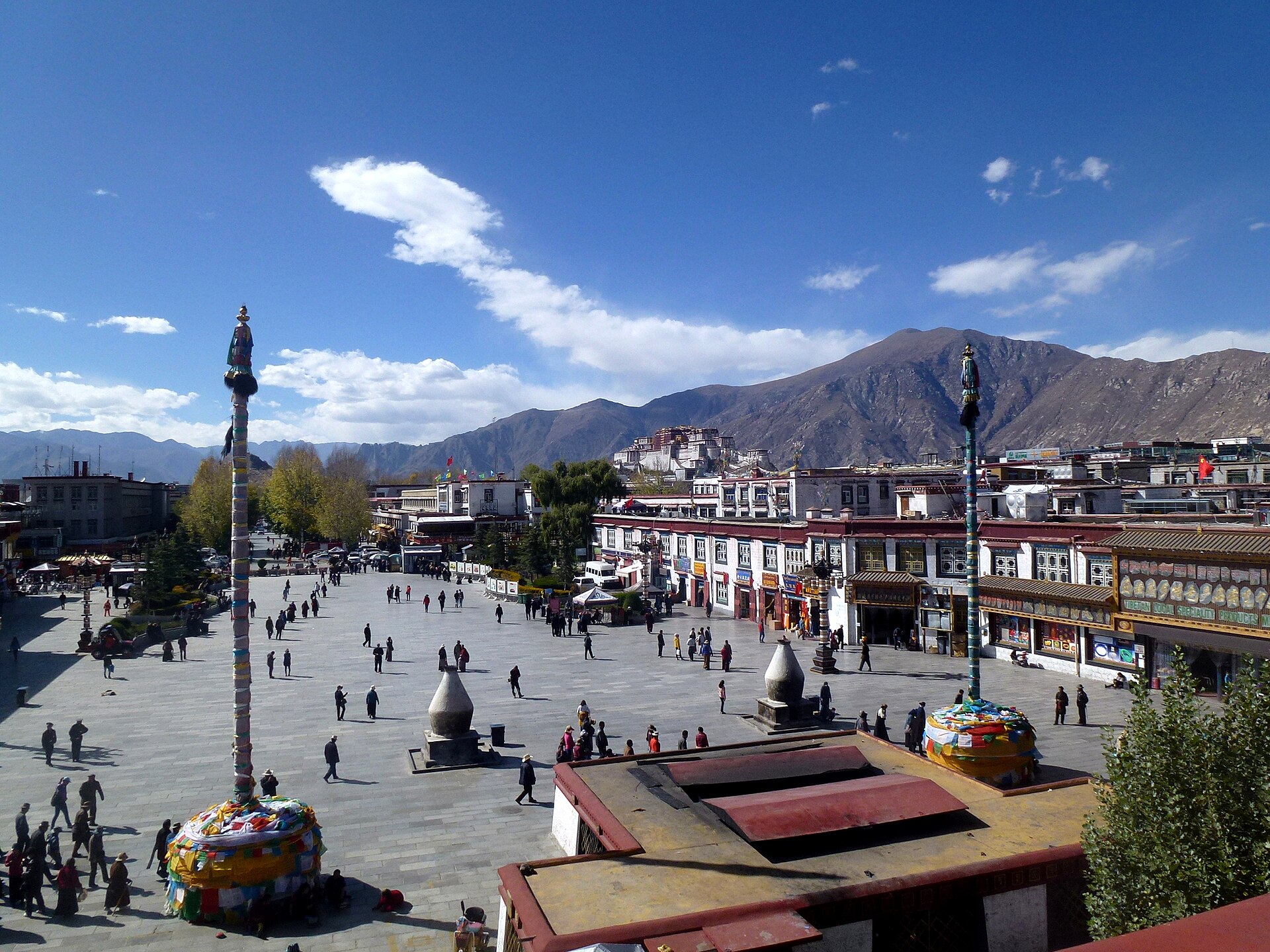
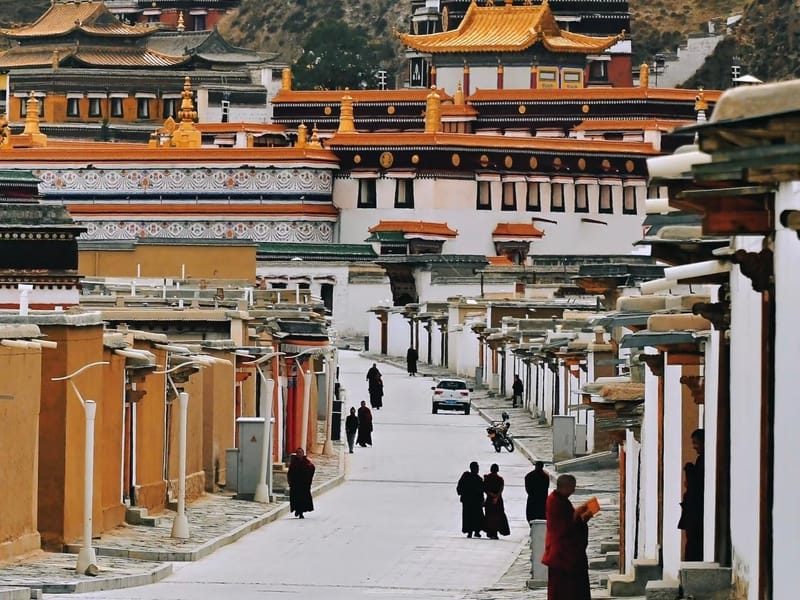
Day 1: arrive and rest. Avoid alcohol and hard exercise, eat normally if able, and report symptoms rather than hiding them to protect the schedule. Day 2: visit Jokhang and walk part of the Barkhor circuit at the pace set by local worshippers and current access controls. This is a living religious space as well as a visitor area; do not block prostrations or turn close-up faces into street photography.
Day 3: use the timed Potala Palace reservation arranged through the tour. The 2026 official visitor guide says Monday closure applies except on holidays and routes can be assigned through the booking system. The climb and interior stairs are the day's physical load. Do not pair it automatically with two large monasteries. Photography and security rules inside must follow staff signs, not what another visitor posted.
Day 4: choose Drepung, Sera or another approved Lhasa-area monastery plan based on energy and current hours. Monastic debate is a scheduled religious and educational activity, not a guaranteed performance every afternoon. A guide should explain context without directing worshippers for photographs. Keep the last part of the day open for rest or a return to the old town, then decide whether the body is ready to sleep higher.
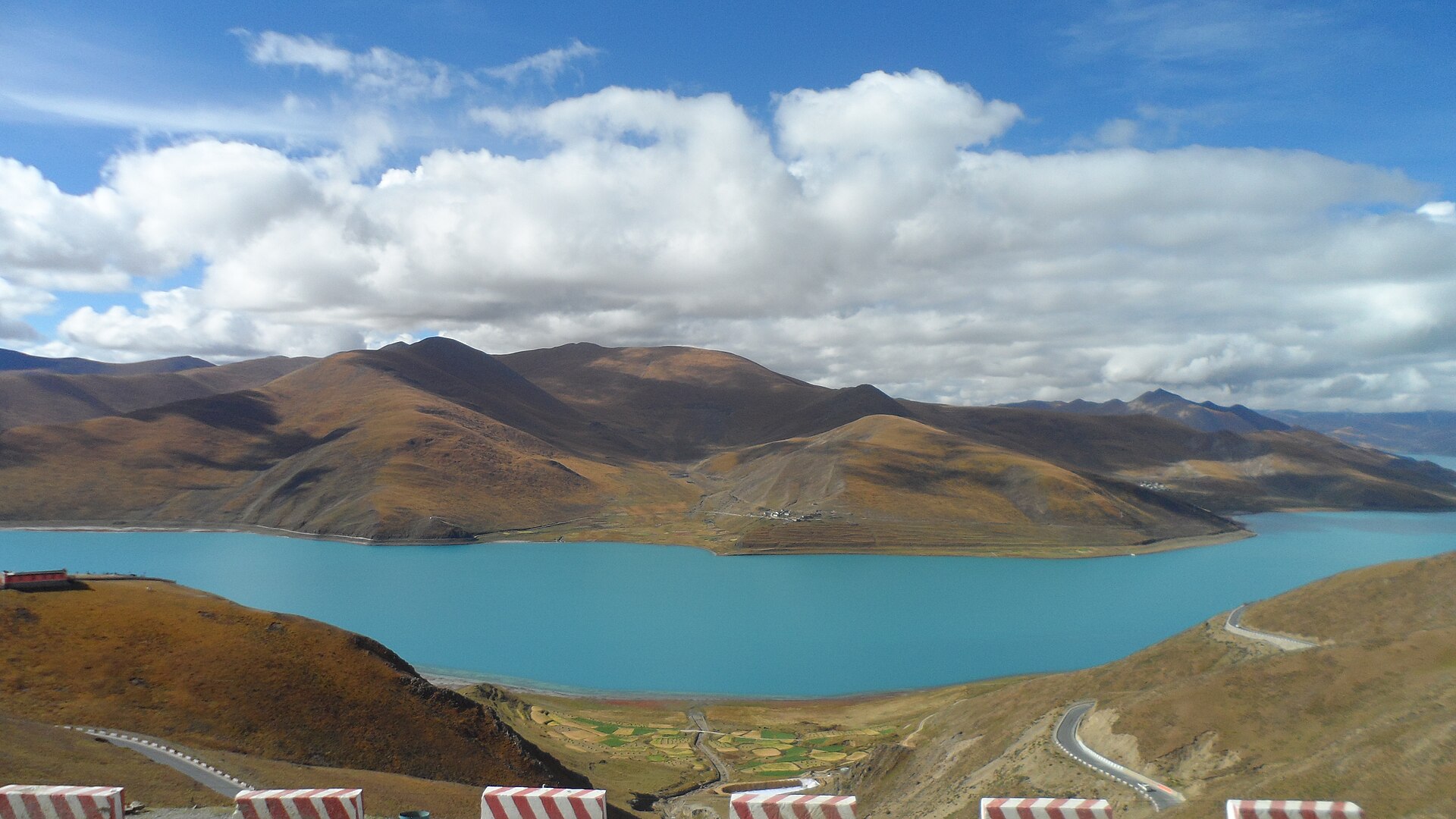
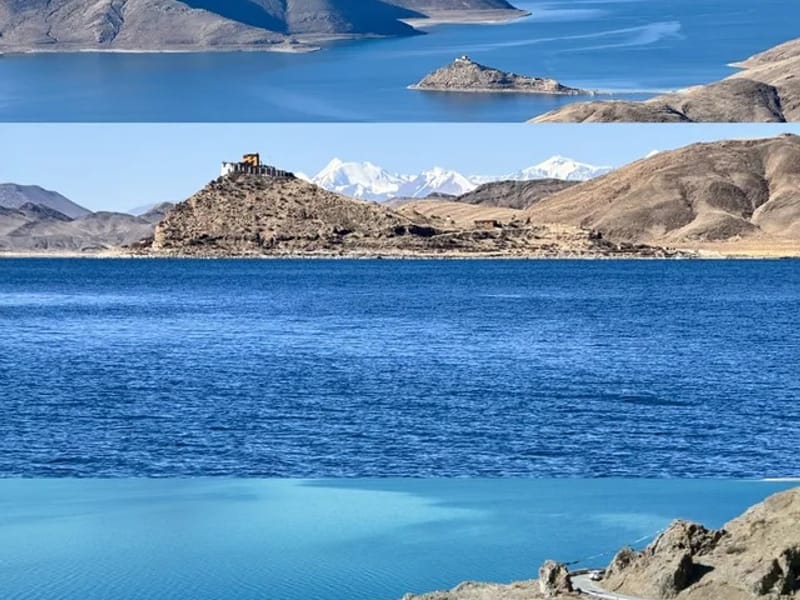
After the Lhasa core, Yamdrok is the most logical first extension on a south-west route. The lake's colour changes with light and weather; an image from Kamba La does not promise a turquoise surface or an open viewpoint. A March 2026 official notice specifically told visitors to check the day's weather and road conditions because the high-altitude scenic area is changeable.
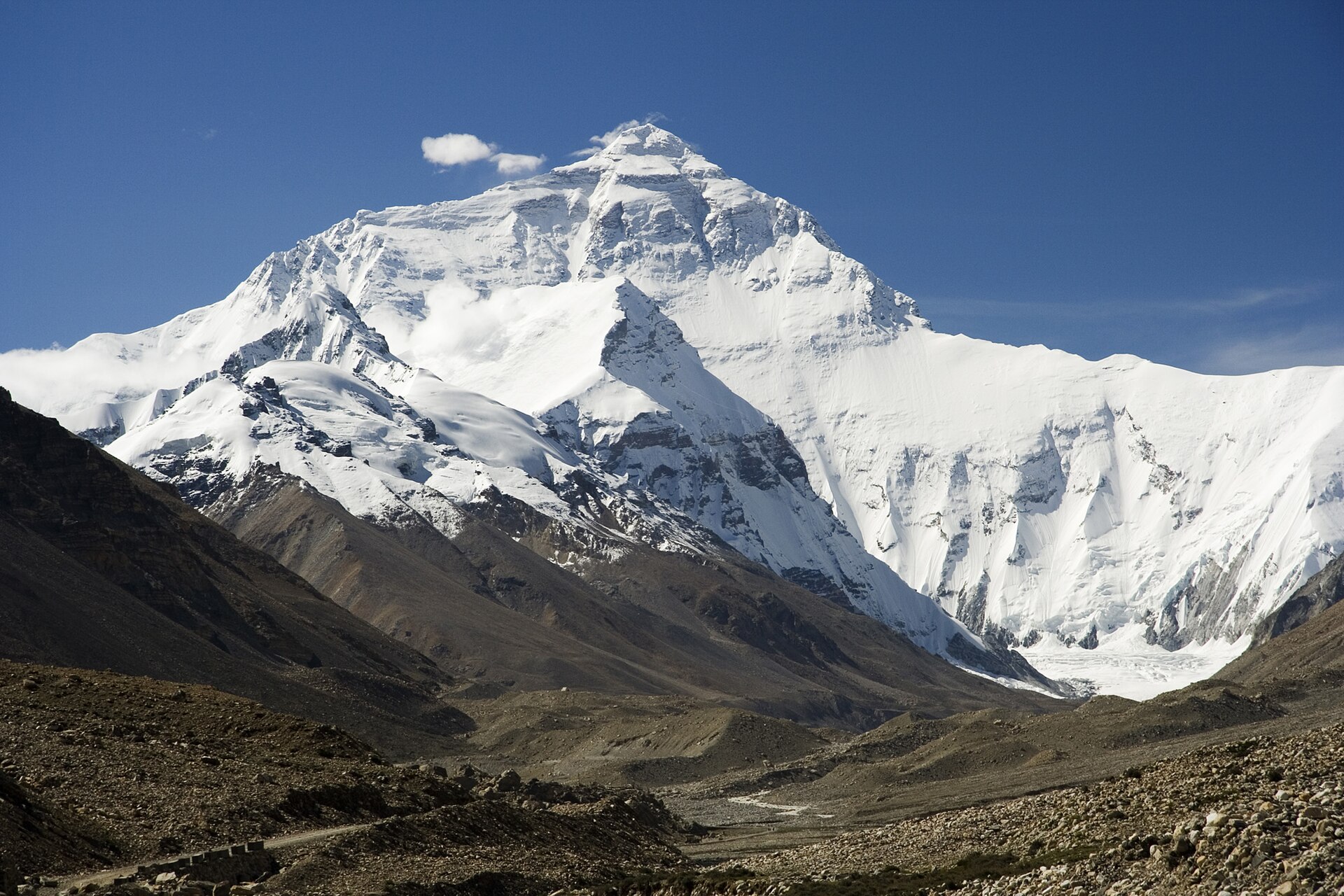
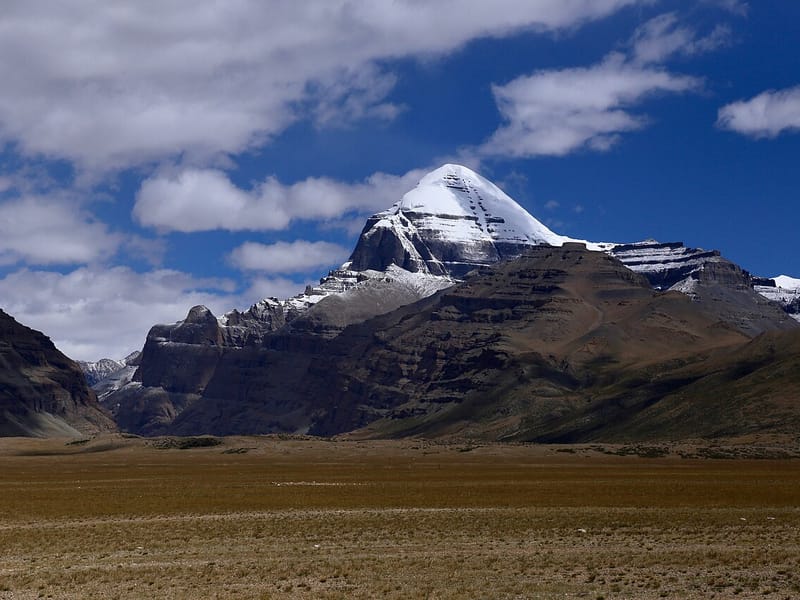
Continue to Gyantse or Shigatse only within the approved itinerary, then decide whether Everest is worth the additional driving and higher sleeping exposure. The north-side visitor experience uses managed roads, checkpoints and scenic transport rather than an unrestricted mountaineering camp. “Everest Base Camp” in a tour title does not mean access to climbers' operational areas. Confirm the actual overnight location, heating, toilets, oxygen provision and evacuation plan.
Road opening is not permanent. The Everest scenic area temporarily closed for snow and ice and reopened on April 9, 2026 with warnings that some roads remained icy. A clear historic photograph from Rongbuk cannot verify this week's access or mountain view. Add a buffer before the return train or flight, and allow the operator to shorten the route when road, permit or health conditions require it.
Headache with nausea, dizziness, fatigue or poor sleep after ascent can indicate acute mountain sickness. Do not move to a higher sleeping altitude while symptomatic. Worsening symptoms at the same height, confusion, inability to walk straight, breathlessness at rest or a persistent cough require urgent action, oxygen and descent or medical care as directed by trained professionals. Small consumer oxygen cans may give brief relief but are not a plan for serious illness.
The CDC Yellow Book 2026 recommends gradual ascent and, once above 3,000 metres, limiting sleeping-altitude gain to about 500 metres per day with an extra acclimatization night for each 1,000 metres gained. A packaged route may not perfectly match that ideal, which is a reason to discuss medication and risk before departure and to add days—not to conceal symptoms. Hydration prevents dehydration but does not by itself prevent altitude illness.
Carry the original passport and the documents specified by the operator. Pack warm and windproof layers in every season, strong sun protection and personal medication; high elevation amplifies ultraviolet exposure and weather can turn quickly. At monasteries, dress modestly, follow the walking direction and ask before any photograph. The strongest Tibet itinerary is the one that can drop a lake, monastery or sunrise without pressuring a sick traveller or overriding local rules.
Book the 6-Day Lhasa and Namtso Lake Adventure with Travel Permit with real-time availability.
See tour & book Plan with AIPrivate & flexible · English-speaking guide · real-time online booking.
Tell our local experts what you'd like to see and we'll design a private, tailor-made itinerary with English-speaking guides — free plan & quote, no obligation.